High-Efficiency Solar Lanterns vs. Standard Garden Lights: A Dusk-to-Dawn Comparison
Can decorative solar lanterns reliably illuminate your garden from dusk to dawn? Yes. High-efficiency lanterns equipped with monocrystalline solar panels, IP65 weatherproofing, and high-capacity rechargeable batteries sustain 10–12 hours of warm, flickering light, whereas standard plastic garden lights fade after 2–4 hours due to low-grade polycrystalline panels and IP44 enclosures.
Side-by-Side Dusk-to-Dawn Performance Metrics
| Scenario / Operational Condition | Standard Garden Solar Lights | High-Efficiency Solar Water Drop Lantern |
| --- | --- | --- |
| Peak Summer Sunshine (8–10 Hrs Direct Sunlight) | Fades after 3–4 hours; light output rapidly drops from 100% to near darkness by 10 PM. | Sustains 10–12 hours of uninterrupted warm flickering illumination from sunset to sunrise. |
| Overcast Winter Days (3–5 Hrs Dappled Sun) | Ceases operation within 1–2 hours due to poor polycrystalline conversion efficiency (~12%). | Delivers 8–10 hours of steady ambient glow using high-efficiency monocrystalline solar cells (~20–22%). |
| Heavy Rain, Snow & Freeze-Thaw Cycles | Moisture penetrates unsealed IP44 plastic casing, corroding internal circuits and destroying battery contacts. | IP65 dust-tight seal and rugged metal body protect electronics through torrential rainstorms and snow cycles. |
| Long-Term Seasonal Durability (12+ Months) | Plastic lenses turn cloudy and brittle under UV exposure; internal battery capacity decays permanently. | Weather-resistant metal frame and sealed glass panel resist fading, clouding, and structural degradation year-round. |
When twilight descends across your garden, the true architectural differences between standard plastic stakes and high-efficiency decorative lanterns reveal themselves. Standard lights frequently succumb to water intrusion and low energy conversion, leaving pathways dark by mid-evening.
Evaluating the Trade-Offs: High-Efficiency vs. Standard Lighting
Pros
- Monocrystalline solar panel yields superior photon absorption even on overcast or winter days
- IP65 waterproof rating ensures continuous operation through heavy rain, snow, and dust storms
- Rust-resistant metal teardrop housing casts intricate, romantic optical patterns across outdoor spaces
- High-capacity Ni-MH battery powers warm 2200K flickering candle effects for 10–12 hours
- Flexible hanging hook and stable base allow suspended or tabletop placement across gardens and patios
- Higher initial cost per unit compared to cheap bulk packs of disposable plastic stakes
- Requires occasional wiping of the solar glass lid to clear dust, pollen, or fallen leaves
Pro Tip: Optimizing Energy Storage for Seasonal Sun Angles
To maximize energy capture throughout the year, position your solar lanterns where they receive unobstructed southern or western sky exposure during peak daytime hours (10:00 AM to 3:00 PM). Ensure the top solar glass is wiped clean with a soft microfiber cloth once a month to remove fine pollen and dust films, which can reduce charging efficiency by up to 30%. Furthermore, avoid hanging solar lanterns directly beneath ambient porch lights or street lamps, as competing light sources can trick the dusk-to-dawn photosensor into remaining in daytime standby mode.
Essential Insights at a Glance
- Hardware Dictates Runtime: Cheap polycrystalline panels conversion rates (~12%) cause standard budget solar lights to fail within 2–4 hours of sunset.
- Silicon Superiority: Monocrystalline solar panels absorb ambient light even under overcast conditions, delivering reliable 10–12 hour illumination.
- Weatherproof Integrity: IP65 sealed metal construction prevents the internal corrosion, misting, and electrical failure common in IP44 plastic fixtures.
- Atmospheric Impact: Warm 2200K flickering LEDs with decorative refractors create an inviting storybook glow, replacing the harsh, cold glare of standard LEDs.
- Automated Convenience: Integrated photosensors manage dusk-to-dawn cycles effortlessly without manual switches or outdoor wiring costs.
Which Outdoor Lighting Setup Fits Your Space?
Standard plastic solar lights provide brief 2–4 hour accent lighting suitable for temporary setups, but quickly fail in harsh weather. High-efficiency decorative lanterns with monocrystalline panels, metal construction, and IP65 weatherproofing offer reliable 10–12 hour dusk-to-dawn warm illumination, making them the superior choice for permanent outdoor charm.
Best choice for
- High-Efficiency Solar Water Drop Lantern — Monocrystalline panel efficiency combined with an IP65 metal teardrop body guarantees year-round, 10–12 hour flickering candlelight.
- Standard Plastic Garden Stakes — Low upfront cost, though short 2–4 hour runtime and fragile plastic construction limit long-term enjoyment.
- You require flood-level 1000+ lumen security lighting to illuminate wide driveways or commercial parking areas.
- Hardwired Low-Voltage Landscape Lighting — Provides grid-tied perpetual light but requires professional electrical installation, trenching cables through flowerbeds, and ongoing electricity costs.
Featured Solution for All-Night Garden Magic
Transform your outdoor living spaces into an enchanted evening sanctuary with our signature teardrop solar design.
Real-World Performance Under Common Garden Challenges
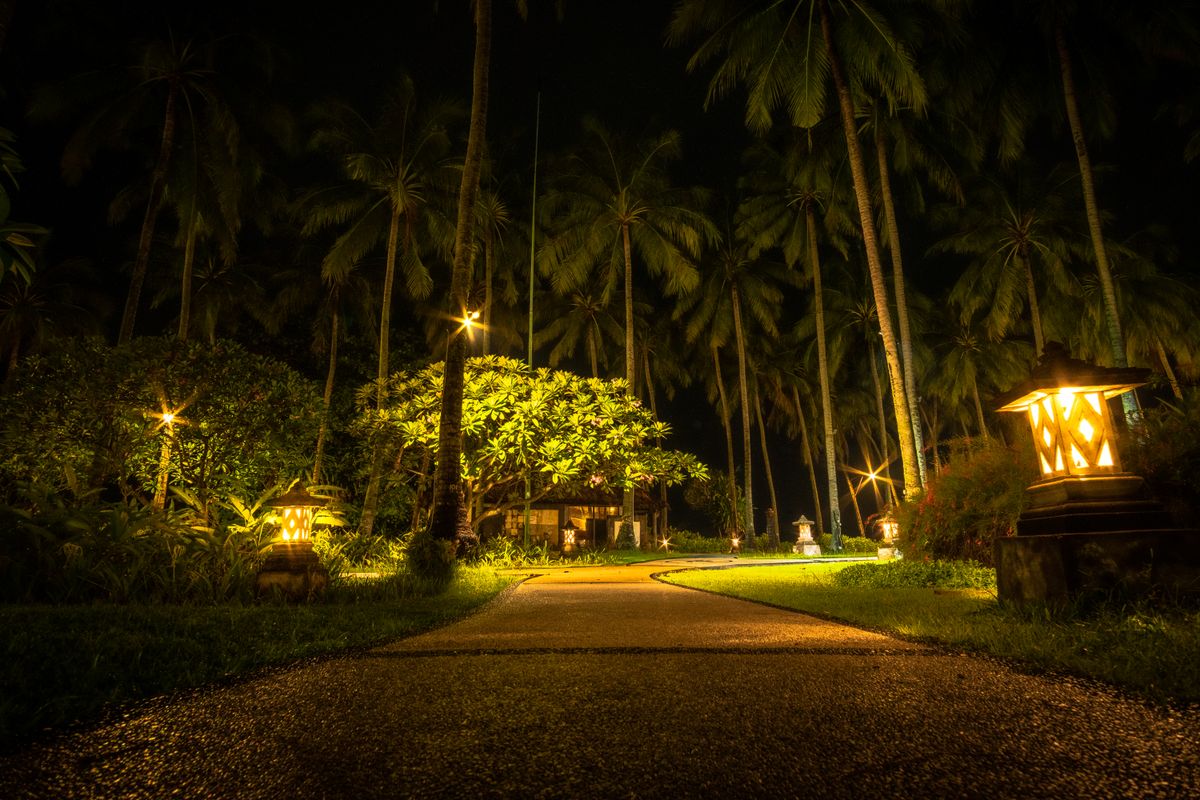
Photo by Unggul Budi on Pexels
Heavy Autumn Rainstorms & Water Pooling — Standard IP44 plastic garden lights trap moisture inside their casings, causing lens fogging, circuit board corrosion, and premature failure. Choose IP65-rated metal lanterns equipped with rubberized seals and internal drain paths that resist heavy rainfall and morning condensation.
Short Winter Days & Shaded Northern Exposures — Low-grade polycrystalline panels fail to store sufficient charge on overcast winter days, yielding less than 2 hours of dim light. Monocrystalline solar cells harvest energy across a broader spectrum of diffuse light, ensuring your pathways remain safely lit for 8 to 10 hours even during winter months.
Styling Patios, Pergolas, & Dining Spaces — Flat plastic stake lights produce flat, cool-white glares that wash out garden beauty. High-efficiency water drop lanterns feature internal optical reflectors that cast intricate filigree patterns across dining tables and decking, providing an enchanting atmosphere for evening gatherings.
Every garden faces unique environmental stresses—from seasonal cloud cover to driving rainstorms. Here is how different solar lighting choices handle real-world challenges.
To understand why standard garden solar lights die shortly after twilight, one must examine their underlying hardware. Most budget solar stakes found in big-box retail centers are engineered for minimal manufacturing cost rather than long-term exterior performance. They rely on low-efficiency polycrystalline silicon panels, which convert only 12% to 14% of available sunlight into usable electricity. When coupled with low-capacity Nickel-Cadmium (Ni-Cd) batteries and unsealed IP44 plastic housings, these fixtures quickly fall victim to internal condensation, battery memory failure, and clouded plastic lenses that block incoming photons.
In contrast, high-efficiency solar garden lanterns are designed like fine outdoor architectural fixtures. At their core lies a premium monocrystalline solar panel protected by anti-reflective tempered glass. Monocrystalline silicon features a continuous crystal structure, achieving energy conversion rates between 20% and 22%. This allows the panel to store substantial energy even during short, cloudy autumn days. The captured energy flows into high-capacity Nickel-Metal Hydride (Ni-MH) rechargeable cells, managed by a low-draw microchip driver that mimics the organic flicker of a real candle flame.
``` +-------------------------------------------------------------------+ | HARDWARE ARCHITECTURE COMPARISON | +-------------------------------------------------------------------+ | STANDARD PLASTIC STAKE (IP44) | HIGH-EFFICIENCY LANTERN (IP65) | | - Polycrystalline Panel (~12%)| - Monocrystalline Glass Panel (~22%)| | - Small Ni-Cd Battery | - High-Capacity Ni-MH Battery | | - Unsealed Plastic Housing | - Dust-Tight Metal Frame & Gaskets| | - Cold-White Directional Light| - Warm 2200K Flickering Reflector | | - 2-4 Hours Operational Life | - 10-12 Hours Dusk-to-Dawn Glow | +-------------------------------------------------------------------+ ```
Equally critical is the housing integrity. Solar lights operate in high-humidity microclimates near damp garden soil. Standard plastic fixtures bear an IP44 rating, meaning they only withstand light splashes from limited angles. Ambient temperature swings create negative pressure inside the unsealed casing, drawing in humid night air that condenses into water droplets on internal circuit boards. Over a few short months, this condensation leads to rusted solder joints and electrical shorts.
High-efficiency fixtures feature fully sealed IP65 enclosures constructed from powder-coated metal and silicone rubber gaskets. Water droplets bead off the surface, while the dust-tight barrier prevents garden dirt and insects from entering the optical chamber. By combining superior weatherproofing with refined optical refractors, the Solar Water Drop Lantern delivers a reliable dusk-to-dawn glow that elevates garden pathways into enchanting nocturnal landscapes night after night.
Continue Exploring Solar Lighting Science
Expand your knowledge of outdoor lighting placement, seasonal optimization, and atmospheric staging with these expert resources:
- Where to Place Solar Garden Lanterns: Capturing Golden Rays for All-Night Glow — Learn how to position solar panels relative to rooflines, tree canopies, and seasonal sun paths for maximum energy storage.
- Solar Water Drop Lantern Charging & Dusk-to-Dawn Performance FAQ — Detailed technical answers regarding battery lifespans, winter charging, and microchip sensor calibration.
- Selecting the Perfect Automated Dusk-to-Dawn Solar Lanterns — A comprehensive buyer's guide covering warm light color temperatures (2200K vs 3000K), shadows, and metal alloy coatings.
Frequently Asked Questions About Solar Garden Lanterns
Answers to common reader questions regarding seasonal solar performance, waterproofing ratings, and ideal garden layouts.
Transform Your Garden into a Dusk-to-Dawn Sanctuary
Your decision: Choose high-efficiency monocrystalline solar lanterns over standard plastic lights to ensure all-night illumination and weather resilience.
Do this next: Measure your garden pathways or patio border to select the ideal pack size of Solar Water Drop Lanterns for balanced, golden-hour radiance.
- Read next: Where to Place Solar Garden Lanterns: Capturing Golden Rays for All-Night Glow
- Read next: Solar Water Drop Lantern Charging & Dusk-to-Dawn Performance FAQ
Order the Solar Water Drop Lantern Multi-Pack to transform your pathways with flickering romantic ambiance.
Upgrading your garden lighting is an effortless way to extend your living space outdoors after dark.
Cover photo by quang vinh on Pexels.