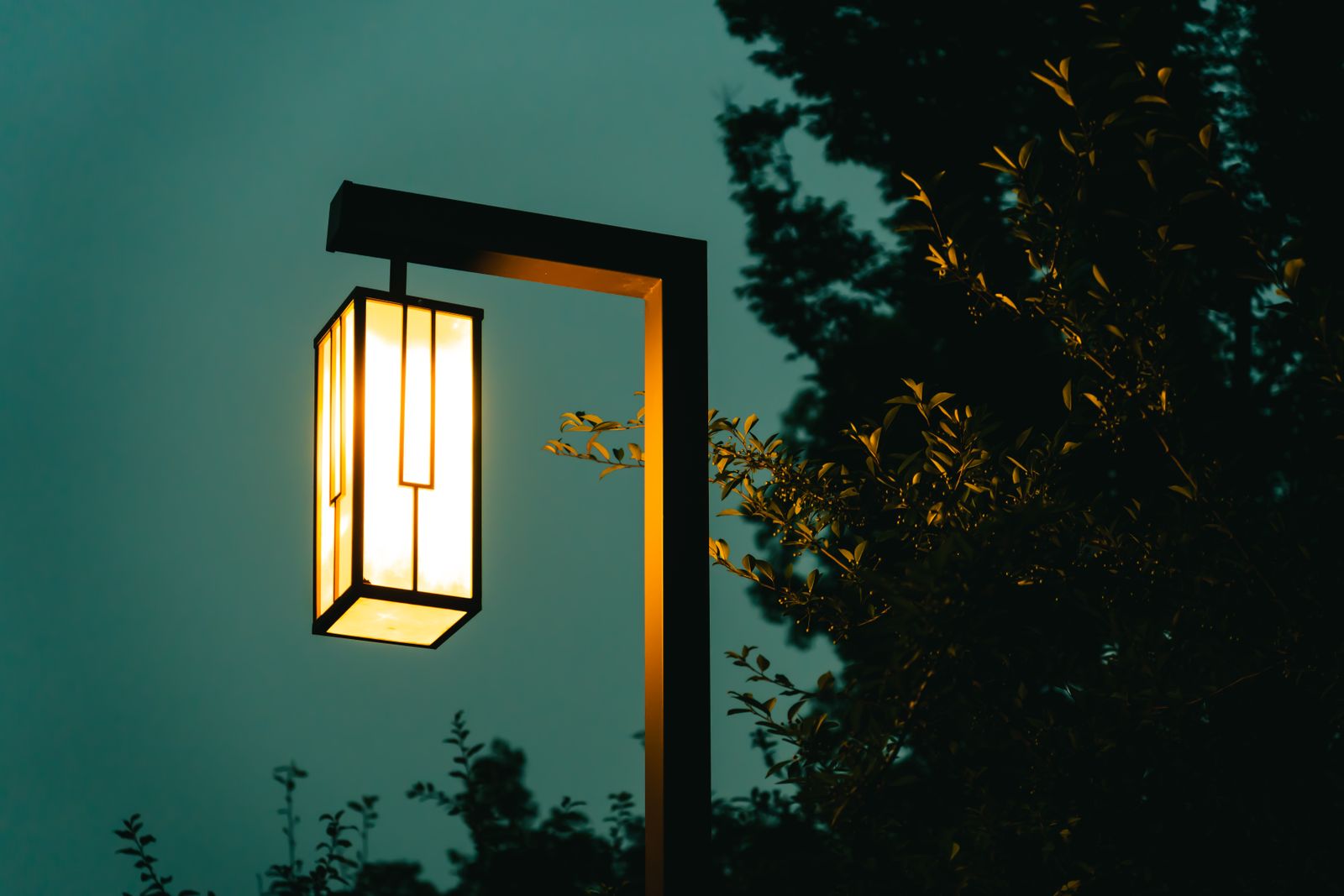
Sunlight to Starlight: How Solar Battery Storage Powers 12 Hours of Evening Magic
A 1:1.2 charge ratio governs high-efficiency solar lanterns: 8 to 10 hours of direct sunlight harvest enough chemical energy to power 10 to 12 hours of nighttime illumination. Daylight photons strike monocrystalline solar cells, generating direct current (DC) electricity that charges an internal 1.2V Ni-MH battery cell. When ambient light drops below 0.05 lux, an automatic photocell releases this stored energy to a flickering LED.
Core Takeaways: Energy Storage at a Glance
- 8–10 Sunlight Hours Yield 10–12 Runtime Hours: Solar collection operates on a highly efficient ratio, converting daytime rays into dusk-to-dawn illumination.
- 18%–22% Photovoltaic Efficiency: Monocrystalline silicon micro-panels capture diffuse daylight, converting light photons into DC electricity even under light clouds.
- Electrochemical Chemical Storage: Energy is stored safely inside a rechargeable 1.2V Ni-MH battery, eliminating the need for complex outdoor electrical wiring.
- 0.05-Lux Photodiode Switching: Smart dusk-to-dawn sensors automatically activate the warm flickering flame effect the moment daylight recedes.
- IP65 Weatherproof Shielding: Heavy-duty metal housing and sealed silicone gaskets protect internal storage cells against rain, snow, and extreme ambient temperatures.
Energy Storage & Battery Technical Specification Matrix

Photo by Artūras Kokorevas on Pexels
| Hardware Component | Technical Specification | Primary Energy Role | Performance Impact |
| --- | --- | --- | --- |
| Photovoltaic Collector | Monocrystalline Silicon (2V, 80mA) | Converts daylight photons into DC current | Delivers 18%–22% solar conversion efficiency under direct and diffuse daylight |
| Energy Storage Cell | 1.2V 600mAh Ni-MH Rechargeable | Stores chemical potential energy | Provides 10–12 hours of continuous LED power across 500+ charge cycles |
| Dusk-to-Dawn Sensor | CdS Photo-Resistor (0.05 Lux Threshold) | Measures ambient light level to switch circuit | Prevents daytime power bleed and engages auto lighting at dark |
| Illumination Element | Low-Draw Flickering LED (0.06W) | Converts stored battery energy to light | Consumes 85% less energy than standard bulbs while mimicking candle movement |
| Protective Enclosure | IP65 Heavy-Duty Sealed Metal Construction | Shields electronics from water and dust | Prevents battery contact corrosion across rain, snow, and summer heat |
Review the core electrical and hardware specifications that enable decorative outdoor lanterns to capture daylight and reliably cast a warm, flickering glow all night long.
Visualizing the Photovoltaic Energy Journey
This schematic illustrates the continuous cycle of energy transformation inside a solar garden lantern—from morning photon capture to midnight garden radiance.
Mastering Seasonal Charge Cycles: Pro Tips
To achieve maximum battery saturation, position your lantern where the top photovoltaic panel receives uninterrupted daylight between 10:00 AM and 4:00 PM. Ambient artificial light from bright porch fixtures or streetlamps can illuminate the photo-resistor above its 0.05-lux trigger threshold, convincing the internal circuit that it is still daytime. Wipe the glass solar top monthly with a damp microfiber cloth; removing a thin layer of dust or pollen can restore up to 30% of lost photovoltaic charging efficiency.
Estimate Your Nightly Glow Duration
Use this interactive calculator framework to predict evening illumination hours based on your garden's daily sunlight exposure and seasonal sun angles.
Auditing Your Outdoor Lighting Placement
Your decision: Determine whether your outdoor garden, patio, or pathway zones receive at least 6 to 8 hours of direct daylight to support dusk-to-dawn lighting.
Do this next: Inspect solar collector panels for dirt or tree sap, trim overhanging branches casting shadows between 10 AM and 4 PM, and align fixtures away from direct streetlight glare.
- Read next: Dusk-to-Dawn Lighting Guide: Choosing Solar Lanterns That Glow All Night Long
- Read next: Troubleshooting Solar Lantern Performance: Battery Care & Extended Runtime
Bring 10-12 hours of flickering romantic radiance to your patio with the teardrop-shaped Solar Water Drop Lantern.
Before arranging your outdoor solar lighting, evaluate your garden's sunlight patterns to ensure your fixtures receive optimal charging daylight.
Preventative Maintenance & Battery Longevity Schedule
- Monthly — Wipe the top micro-PV panel with a soft, damp microfiber cloth to remove dust, pollen, and water spots that block photon absorption.
- Quarterly (Seasonal Shift) — Inspect surrounding tree canopies and garden foliage for growth that creates shade over solar panels between 10 AM and 4 PM.
- Bi-Annually — Check the battery compartment silicone seal and remove any accumulated moisture or minor contact oxidation.
- Every 18 to 24 Months — Replace the internal 1.2V Ni-MH rechargeable battery cell to refresh full 10–12 hour dusk-to-dawn storage capacity.
There is a gentle magic in watching an outdoor space awaken as nightfall descends. As the twilight deepens, solar garden lanterns kindle a soft, romantic flickering light that transforms dark pathways into enchanted trails. Yet beneath this fairytale atmosphere lies an elegant process of renewable energy engineering. Understanding how these wireless beacons capture daylight, convert photons into chemical reserves, and automatically release light provides the key to maximizing nighttime performance.
The Physics of Daylight Photons: How Sunlight Becomes Electricity
Solar energy storage begins the moment daylight strikes the micro-photovoltaic (PV) panel mounted atop the lantern. These panels are crafted from monocrystalline silicon wafer cells, engineered to deliver 18% to 22% energy conversion efficiency. When light photons collide with the silicon atoms, they knock free bound electrons. This excitation creates an electrical potential difference across the solar cell structure.
Direct current (DC) electricity flows out of the panel array through a tiny blocking diode circuit. This one-way electronic valve ensures that energy moves exclusively from the solar collector into the battery during daylight hours, preventing the stored power from leaking back into the solar panel once night falls.
Inside the Storage Cell: Electrochemical Energy Conversion
Once generated, DC electrical current travels directly into the internal rechargeable cell—typically a 1.2V Nickel-Metal Hydride (Ni-MH) battery with a 600mAh to 1000mAh capacity rating. Inside this cell, electrical energy undergoes a reversible chemical transformation:
Because low-draw flickering LEDs require only 0.06 watts of power, a fully saturated 600mAh battery easily provides 10 to 12 hours of continuous evening ambiance from an 8 to 10 hour day of sun.
The Silent Guardian: Smart Dusk-to-Dawn Sensors
Solar lanterns require no manual switches or timer reprogramming throughout the year. Automation is driven by an integrated Cadmium Sulfide (CdS) photo-resistor or photodiode light sensor. During daylight, ambient light keeps the photo-resistor at a high electrical resistance state, holding the LED switch wide open.
As dusk arrives and ambient outdoor light drops below 0.05 lux, the photo-resistor's resistance plummets. This shift triggers a micro-transistor to close the lighting circuit, allowing stored power to flow seamlessly into the LED. At dawn, rising ambient light reverses the process, turning off the flame effect and restoring the battery charge cycle.
Weather Resistance & IP65 Protection: Guarding the Core
For electrochemical energy storage to function year after year, internal components must remain completely isolated from moisture, dust, and temperature extremes. An IP65 ingress protection rating indicates that an outdoor lantern is 100% dust-tight and fully protected against water jets from any angle.
High-grade metal construction paired with silicone O-ring gaskets ensures that rain, heavy snow, and morning dew cannot penetrate the battery housing. This weather barrier prevents terminal corrosion, preserves battery chemistry, and guarantees reliable year-round performance across every season.
Storage Efficiency Across Solar Battery Chemistries
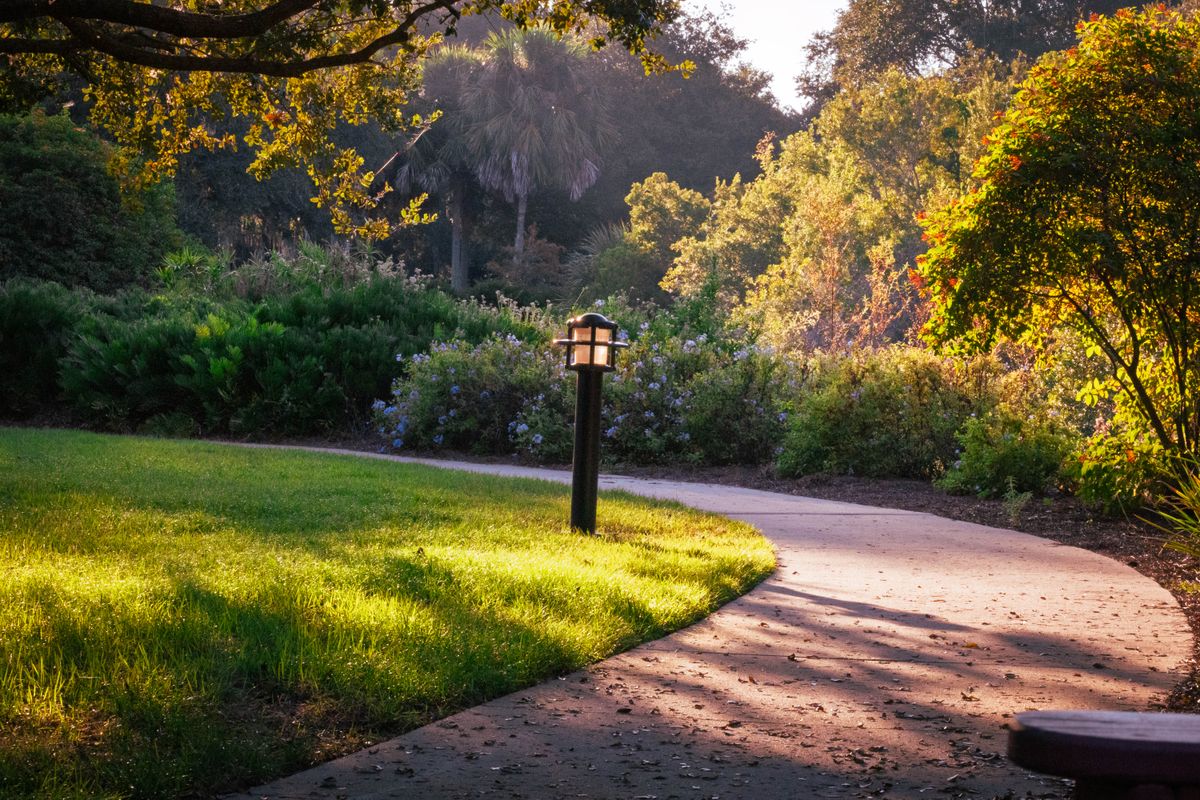
Photo by Kim Lawrie on Pexels
| Garden Lighting Use-Case | Battery Chemistry Type | Energy Charge Efficiency | Operational Cycle Life | Best Environmental Application |
| --- | --- | --- | --- | --- |
| Decorative Dusk-to-Dawn Lanterns | Nickel-Metal Hydride (Ni-MH 1.2V) | 75% - 85% Efficiency (Absorbs charge well under gentle daylight) | 500 - 1,000 Cycles (1.5 - 3 Years) | Ideal for ambient garden lanterns requiring steady 10-12 hour low-draw flickering lighting across wide temperature ranges (-4°F to 140°F). |
| High-Lumen Pathway Spotlights | Lithium-Ion (Li-ion 3.7V) | 90% - 95% Efficiency (Requires higher voltage threshold) | 1,000 - 2,000 Cycles (3 - 5 Years) | Best suited for high-draw task lighting and motion spotlights that demand high peak energy output. |
| Temporary Outdoor Event Accents | Standard Non-Rechargeable Alkaline (1.5V) | 0% Recharge Efficiency (Destroys circuit under solar current) | 1 Cycle (Permanent failure if exposed to sun) | Never use in solar lantern housings; causes battery fluid leakage and permanent hardware damage. |
Compare how different rechargeable battery chemical compositions affect solar energy absorption, temperature tolerance, and evening illumination runtimes.
Mistakes That Drain Your Solar Battery Reserve
Avoid these common installation and care errors to ensure your solar garden lanterns achieve full charge saturation and light up your garden every night.
Expand Your Solar Knowledge
- The Dusk-to-Dawn Lighting Guide: Choosing Solar Lanterns That Glow All Night Long
- Why Isn't Your Solar Lantern Lasting All Night? Battery Care & Extended Runtime FAQ
- What Does IP65 Really Mean for Outdoor Solar Lighting?
Frequently Asked Questions About Solar Lantern Energy Storage
Find fast, clear answers to common questions about battery storage, charging in cloudy weather, and solar lantern performance.
Engineered for 12-Hour Radiance: Solar Water Drop Lantern
Bring timeless elegance and flickering candle warmth to your outdoor living spaces with a solar lantern engineered for peak energy storage performance.
Transform Your Garden Today
Your decision: Upgrade your outdoor sanctuary with high-efficiency, teardrop-shaped solar lanterns designed for full-night radiance.
Do this next: Order your Solar Water Drop Lanterns directly to enjoy automated dusk-to-dawn romance without wiring or energy costs.
- Read next: High-Efficiency Solar Lanterns vs. Standard Garden Lights: Performance Comparison
Discover the Solar Water Drop Lantern (Single or Pack Size) at https://solarwaterdroplantern.com and enjoy 10-12 hours of evening magic.
Ready to elevate your outdoor ambiance with sustainable, effortless solar light decor? Explore placement strategies or upgrade your garden lighting today.
Cover photo by JUNLIN ZOU on Pexels.