How to Prevent Rust on Outdoor Metal Solar Lights: A Step-by-Step Care Guide
Apply the 3-step, 6-month rule: every 180 days, mask the photovoltaic glass with blue painter's tape leaving a 2mm border, gently buff surface spots with 0000 ultra-fine steel wool, and spray 2 thin coats of non-yellowing UV-resistant clear acrylic enamel at 65°F–85°F to ensure 100% rust prevention and uncompromised 10–12 hour nightly burn time.
Essential Rules of Metal Lantern Preservation
- 2-Millimeter Safety Border: Always leave a 2mm gap when masking solar glass so clear sealant locks the metal frame edge without covering active solar cells.
- 0000 Ultra-Fine Grade Steel Wool: Never use coarse wire brushes; 0000 steel wool gently eliminates oxidized specks without scratching delicate metal filigree.
- 65°F–85°F Spraying Window: Apply acrylic sealants only within this temperature range and under <65% relative humidity to avoid milky finish hazing.
- 100% Uncoated Photovoltaic Glass: Aerosol overspray on solar panels can drop light conversion efficiency by up to 40%, curtailing nightly illumination by 4+ hours.
- 2 Clear Drainage Points: Always verify bottom drain holes remain unobstructed by paint or wax so standing rainwater drains within 30 seconds.
The Complete Outdoor Metal Solar Lantern Weatherproofing Checklist
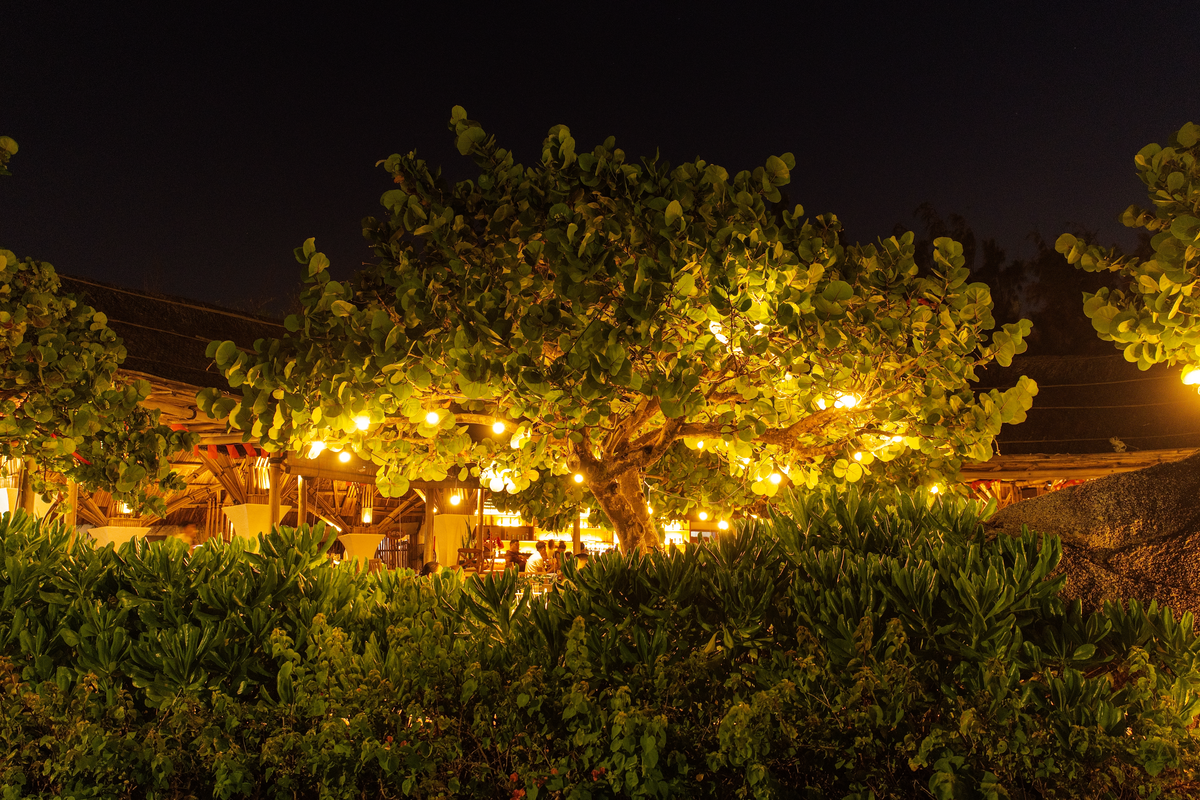
Photo by quang vinh on Pexels
- Inspect metal joints, filigree edges, and shepherd hook contact loops for early orange rust specks.
- Clean entire fixture using mild dish soap and warm water; dry completely with microfiber cloth for 2 hours.
- Apply 1.5-inch blue painter's tape precisely over the top solar panel glass and light sensor window.
- Smooth down tape edges with a plastic card to ensure zero sealant creep under the boundary.
- Gently buff minor rust spots using 0000 ultra-fine steel wool in a circular motion until bare metal is smooth.
- Wipe surface with isopropyl alcohol (70%) to remove grease, fingerprints, and metallic dust.
- Shake UV-resistant clear acrylic spray can vigorously for 60 seconds before application.
- Spray 1st light coat from 10–12 inches away at an ambient temperature between 65°F and 85°F.
- Allow 15 minutes of dry time before applying the 2nd crisscross protective coat.
- Let cure for 2 hours before removing painter's tape; confirm solar glass remains 100% crystal clear.
Rust Prevention & Sealant Selection Guide
| Protective Coating Type | Durability Rating | Solar Glass Safe? | Finish Clarity | Reapplication Interval |
| --- | --- | --- | --- | --- |
| Non-Yellowing UV Clear Acrylic Spray | 12–18 Months | Yes (When Masked) | 100% Crystal Clear | Every 12 Months |
| Marine-Grade Carnauba Paste Wax | 4–6 Months | Yes (Frame Only) | Warm Luster / Semi-Gloss | Every 6 Months |
| Polyurethane Clear Enamel | 24 Months | No (Yellows under UV) | Slight Amber Tint | Every 24 Months |
| Lanolin Protective Fluid | 3–4 Months | No (Attracts Dust) | Matte Film | Every 3 Months |
Selecting the correct protective compound is vital to safeguard filigree metalcraft while keeping internal dusk-to-dawn sensors fully operational.
Printable Field Guide: Solar-Safe Rust Prevention & Maintenance
- Optimal Spraying Conditions: 65°F–85°F (18°C–29°C), under 65% relative humidity, out of direct intense sunlight.
- Masking Safety Protocol: 1.5-inch painter's tape over PV glass; zero spray contact on the light sensor orifice.
- Dry & Cure Metrics: 15 minutes touch-dry between coats; 2 hours full dry before unmasking; 24 hours full weather cure.
- Cleaning Protocol: 70% Isopropyl alcohol rub down prior to coating; 0000 steel wool for oxidation removal.
- Drainage Verification: Clear 2mm bottom drain holes with a wooden toothpick after every recoating session.
Artisan Care Tip: Masking Delicate Glass & Intricate Filigree Cutouts
When protecting lanterns with intricate filigree cutouts, liquid painter's tape or precision masking film provides a clean seal around curved glass caps. Gently run a wooden craft stick around the inner rubber rim where the solar panel meets the metal body. This creates an airtight barrier that prevents aerosol spray from creeping underneath the housing to fog the interior reflector plates.
Seasonal Weatherproofing Calendar: 4 Annual Milestones
- Early Spring (March / April) — Inspect for winter moisture ingress; wipe down metal housing with isopropyl alcohol and reapply 1 coat of marine paste wax to shepherd hooks.
- Mid Summer (July) — Check top solar panel glass for pollen and dust build-up. Wipe solar cap with a soft wet microfiber cloth; verify 8-10 hours of daylight yields 10-12 hours of light.
- Early Autumn (September / October) — Perform full 3-step rust prevention: mask PV glass, buff joint specks with 0000 steel wool, and apply 2 coats of UV clear acrylic enamel.
- Late Winter (January / February) — In regions with heavy snow or ice freezes, wipe snow off panel glass daily or store lanterns indoors to protect battery chemistry from sub-zero degradation.
Protective Coatings & Solar Lantern Care Essentials
To maintain year-round garden magic without worrying about rain rust or sun damage, choose lanterns built from the start with heavy-duty weatherproofing.
5 Critical Mistakes That Ruin Solar Metal Finishes and Photovoltaic Cells
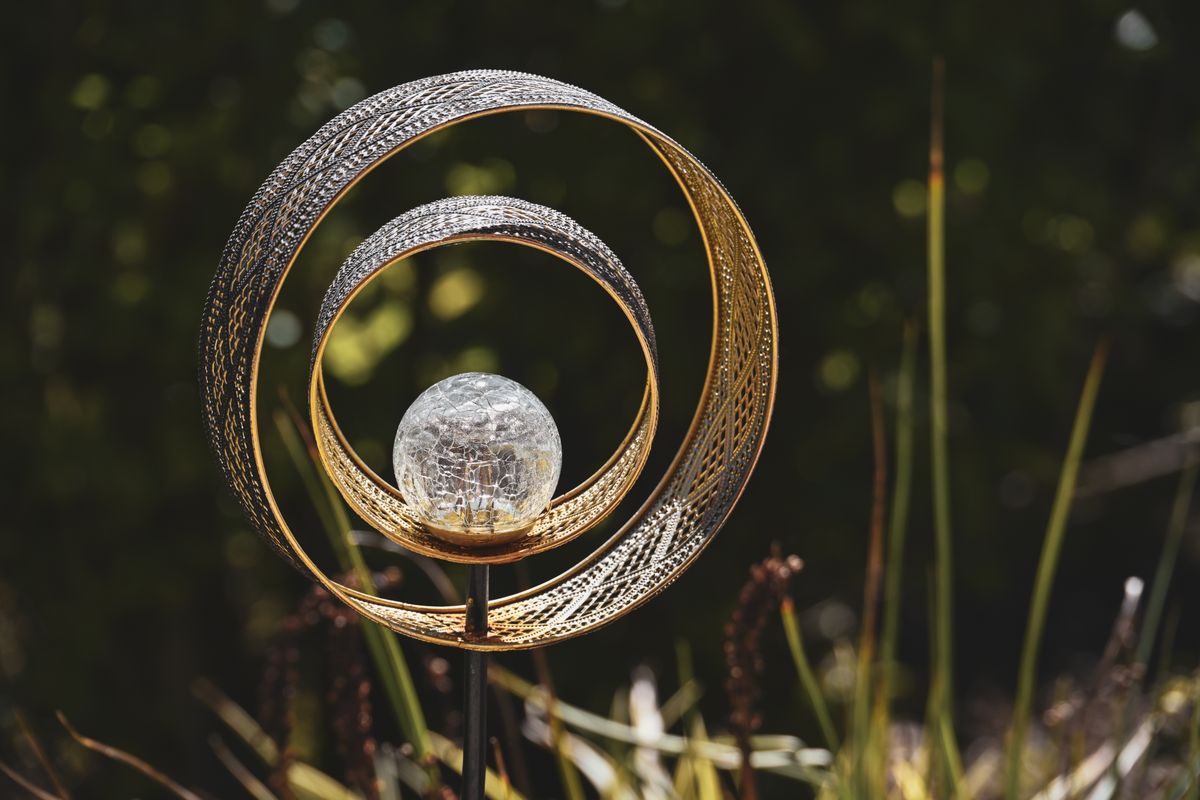
Photo by Alexas Fotos on Pexels
Avoid these common maintenance errors that compromise lantern aesthetics or electrical efficiency.
45-Minute Spot Restoration Timeline for Existing Surface Rust
- Minutes 0–10 — Disassemble hanging bail and top cap if removable. Wash metal housing with warm soapy water to remove dust and bird droppings; pat dry.
- Minutes 10–20 — Apply blue painter's tape over top solar glass and dusk-to-dawn sensor. Lightly buff orange rust specks with 0000 steel wool using gentle circular motions.
- Minutes 20–25 — Wipe down sanded areas with 70% isopropyl alcohol on a lint-free pad to clear microscopic iron dust and skin oils.
- Minutes 25–30 — Shake clear acrylic spray for 60 seconds. Apply 1st light misting coat across all metal filigree surfaces from 10 inches away.
- Minutes 30–45 — Wait 15 minutes for 1st coat to flash off, then apply 2nd protective coat. Allow to cure in a warm, dry area for 2 hours before hanging outdoors.
Frequently Asked Questions About Metal Solar Light Protection
Clear answers to essential maintenance questions for outdoor solar lanterns.
Next Steps for Sustaining Your Evening Garden Ambiance
Your decision: Determine whether your metal solar lantern requires preventative clear-coating or active rust conversion treatment.
Do this next: Inspect your metal lanterns today: wipe clean with a damp microfiber cloth, apply blue painter's tape over the solar panel, and spray 2 light coats of clear UV acrylic enamel before wet seasonal weather arrives.
- Read next: What Does IP65 Really Mean for Solar Lanterns?
- Read next: Winter Solar Lantern Maintenance Guide
Upgrade to factory powder-coated, weather-defying lighting with the Solar Water Drop Lantern featuring IP65 waterproof steel construction.
Take action today to protect your outdoor lighting investments before seasonal weather changes begin.
Further Guides for Weatherproof Outdoor Illumination
Link contextually to surrounding cluster and pillar articles.
Cover photo by iam hogir on Pexels.