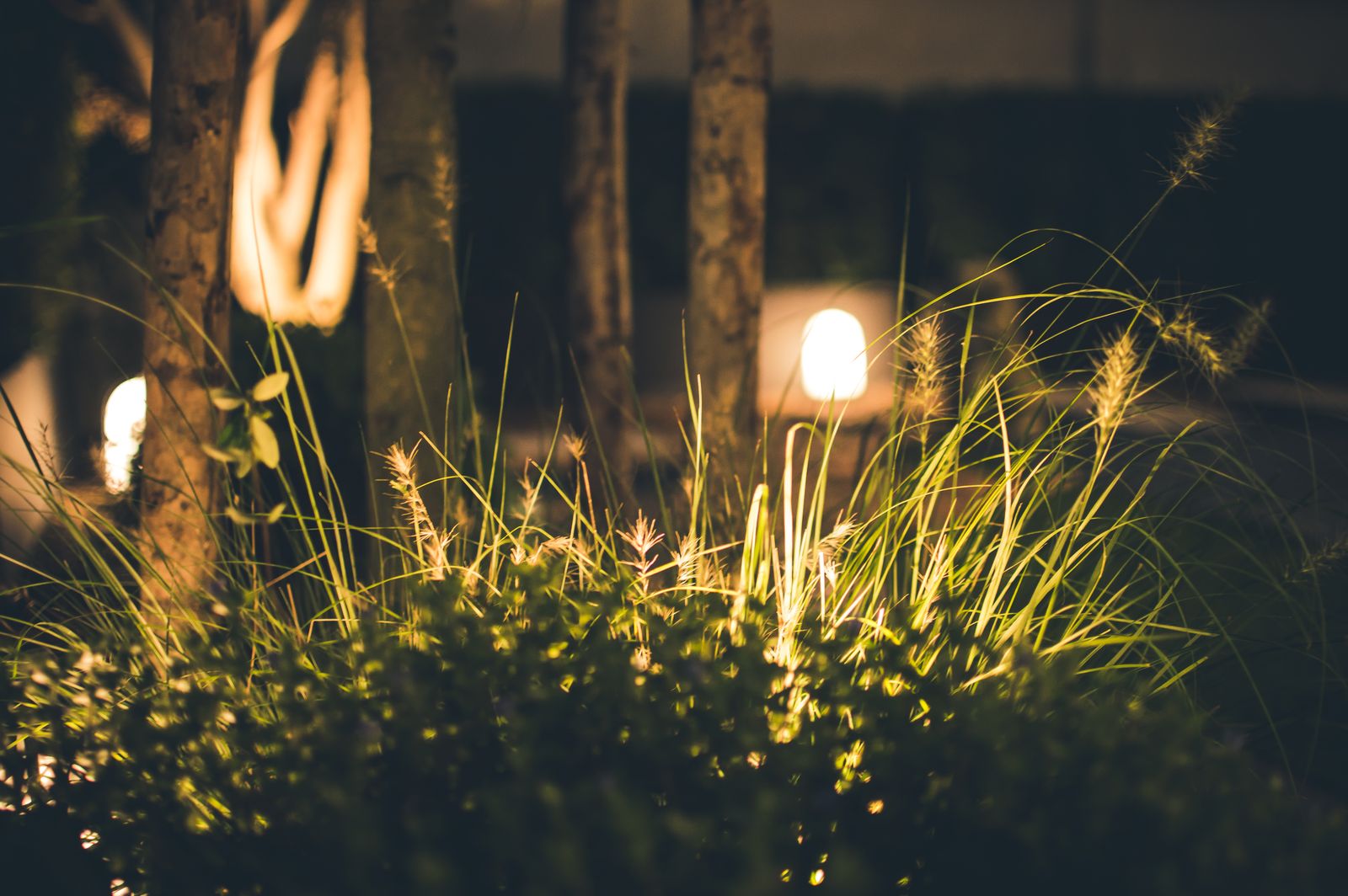
Chasing Starlight: How to Space Solar Lanterns Along Garden Walkways
Space solar lanterns along a garden walkway as a repeating rhythm of 10-lumen pools, not as a continuous glare strip. A 20.5 cm × 15.5 cm teardrop is a visual beat: set the next one where the last pool fades, on the side of the path that still gives the 0.2W panel 8–10 hours of useful sun. Auto on/off handles dusk. Skip even spacing that ignores shade, and skip doubling both sides of a narrow walk.
Pathway spacing is a rhythm, not a ruler
Feet already know a walk. Lanterns should land on that rhythm: a soft pool, a few steps of dusk, the next pool. Ten lumens from a flickering candle effect will not throw far. If the pools never meet, the walk feels like forgotten corners. If they overlap into one stripe, the path feels like a runway and the romance is gone.
Start with the walker's pace, not a catalog grid. On a slow garden path, pools can sit closer so the eye always has a jewel ahead. On a straight walk to a gate, slightly wider gaps still work.
A 20.5 cm teardrop reads from several strides away, which is why fewer metal water-drop lanterns can replace a crowd of tiny stakes. Crowding them shoulder to shoulder makes a glittery fence and shades neighboring panels.
Let the sun veto even numbers
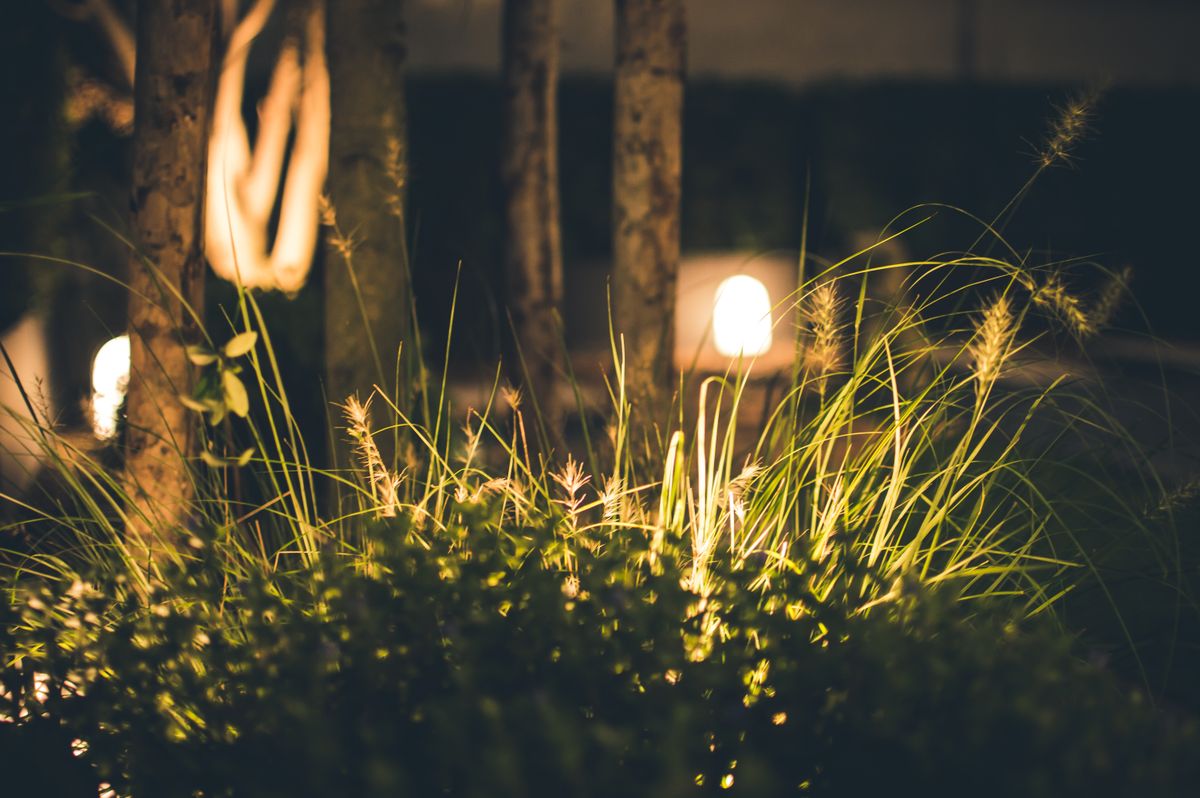
Photo by suzukii xingfu on Pexels
Even spacing that puts a lantern under a hedge is a dead cell at dusk. The 0.2W panel wants a 30–45 degree view of open sky. Walk the path at midday and mark only the stations that stay in useful sun for about 8–10 hours in season. Those marks are the real spacing plan.
Shade from a house wall, a dense canopy, or a fence will break the rhythm. It is better to skip a station and accept a longer dusk gap than to install a lantern that never fills its 600 mAh pack. Charge still wants 0°C to 45°C; winter sun is weaker and lower, so midday stations matter more in the cold months.
The guide to installing solar pathway lanterns for maximum sun is the mount and sun map this spacing plan uses.
One side, two sides, and the width of the walk
A narrow path usually wants lanterns on the open-sky side only. Two rows of 10-lumen teardrops on a skinny walk glare at each other and steal width from elbows. A wide allée or a pair of beds can take staggered lanterns on both sides so the pools interleave.
Staggering beats mirroring. Two lanterns directly opposite become a bright gate that the rest of the path cannot match. Offset the beats so the walker's eye tracks forward, not left-right-left.
Hang from a low hook or sit on a stable pad beside the paving, not on the walking surface. IP65 metal can take rain; it should not take a shoe. Keep the hook outside the stride.
How many lanterns a walk actually needs
Count sunlit stations, not linear feet alone. A long path with four open-sky beats may need four teardrops; the same length under trees may only support two. Do not buy a pack and then force extras into shade.
Reflective patterns help spacing. Each lantern paints nearby stone and leaves, stretching the pool a little beyond the 10-lumen source. That is a gift on a planted walk and a glare risk against a white wall facing a bedroom.
Sustainable path lighting is this same spacing idea with no trench. See how to light garden pathways sustainably for the eco framing, and how to install solar walkway lighting for hardware.
Walkway types versus a spacing pattern that fits
| Walk | Spacing pattern | Why | | --- | --- | --- | | Narrow garden path | One sunlit side, pools that almost meet | Avoid glare and lost width | | Wide double border | Staggered both sides | Interleave 10-lumen pools | | Straight gate walk | Fewer, unmistakable markers | Rhythm over decoration density | | Winding planted walk | Closer beats on the outside of curves | The eye needs a jewel ahead | | Tree-covered stretch | Skip stations in deep shade | A 0.2W panel cannot invent sun |
Pathway solar lantern spacing checklist

- [ ] Walk the path at noon and mark only sunlit stations.
- [ ] Set the next lantern where the last 10-lumen pool fades.
- [ ] Use one side on a narrow walk; stagger two sides on a wide one.
- [ ] Keep teardrops off the walking surface.
- [ ] Aim each panel near 30–45 degrees at open sky.
- [ ] Buy a pack to the sunlit count, not to total path length.
Frequently asked questions
How far apart should 10-lumen solar lanterns sit?
Far enough that pools do not merge into a strip, close enough that a walker always sees the next jewel. On a slow garden path that is often a few strides, adjusted for sun.
Should both sides of the path have lanterns?
Only on a wide walk, and then stagger them. A narrow path usually needs the open-sky side only.
Can spacing stay even under trees?
No. Skip deep shade. Uneven sunlit spacing looks better at night than a perfect grid of dark lanterns.
Do hanging lanterns change the spacing?
A hanging teardrop throws a slightly wider pool than a unit on the ground. You may need fewer hanging beats on the same walk.
Is a flickering effect a problem for walking?
A gentle candle flicker at 10 lumens marks the edge without strobing a stride. It is decorative guidance, not a runway strobe.
Related reading
Sun installation, sustainable path design, and walkway hardware sit next to this spacing plan.
- how to install solar pathway lanterns for maximum sun
- how to light garden pathways sustainably
- solar water drop lantern as an eco-friendly pathway solution
- how to install solar walkway lighting step by step
What to do next
Walk the path at midday with markers in hand. Drop a marker only where the sky can reach a 0.2W panel, then at dusk check that each 10-lumen pool hands the eye to the next. Remove markers that sit in shade or on the walking surface, and buy only that many teardrop lanterns.
Cover photo by suzukii xingfu on Pexels.