Solar Water Drop Lantern Charging & Dusk Sensor FAQ
Imagine placing your new teardrop lantern upon a garden table, eager for nightfall, only to find it resting quietly in the dark. To achieve a full 10 to 12 hours of romantic, flickering evening glow, your Solar Water Drop Lantern requires 8 to 10 hours of direct, unobstructed sunlight on its top photovoltaic panel. Always verify that the master toggle switch beneath the solar cap is flipped to the ON position; this allows the internal rechargeable battery to store energy by day while enabling the automatic dusk-to-dawn sensor to ignite the flame effect at twilight.
Real-World Charging Scenarios: Evaluating Your Outdoor Placement
Selecting the optimal outdoor placement ensures maximum sunlight absorption while preventing artificial night lighting from interfering with the dusk-to-dawn photocell.
Best choice for
- Full Sun Hanging or Tabletop Placement — Receives 8 to 10 hours of uninterrupted sky exposure, guaranteeing 10 to 12 full hours of atmospheric flickering candle glow.
- Elevated Shepherd's Hook or Outer Branch Mounting — Positions the top-mounted photovoltaic cell beyond the roof eaves or dense leaf cover to capture direct midday sun rays.
- Placing lanterns directly beneath high-lumen LED security floodlights or municipal streetlamps that fool the photocell into detecting daylight.
- Leaving the internal power toggle in the OFF position during daytime charging hours.
- Pathway Shepherd's Hook Elevation — Lifts the lantern 2 to 3 feet off the ground, clear of low garden foliage, while projecting intricate shadow patterns across walkways.
Master Gardener's Tip: The 5-Second Daylight Sensor Test
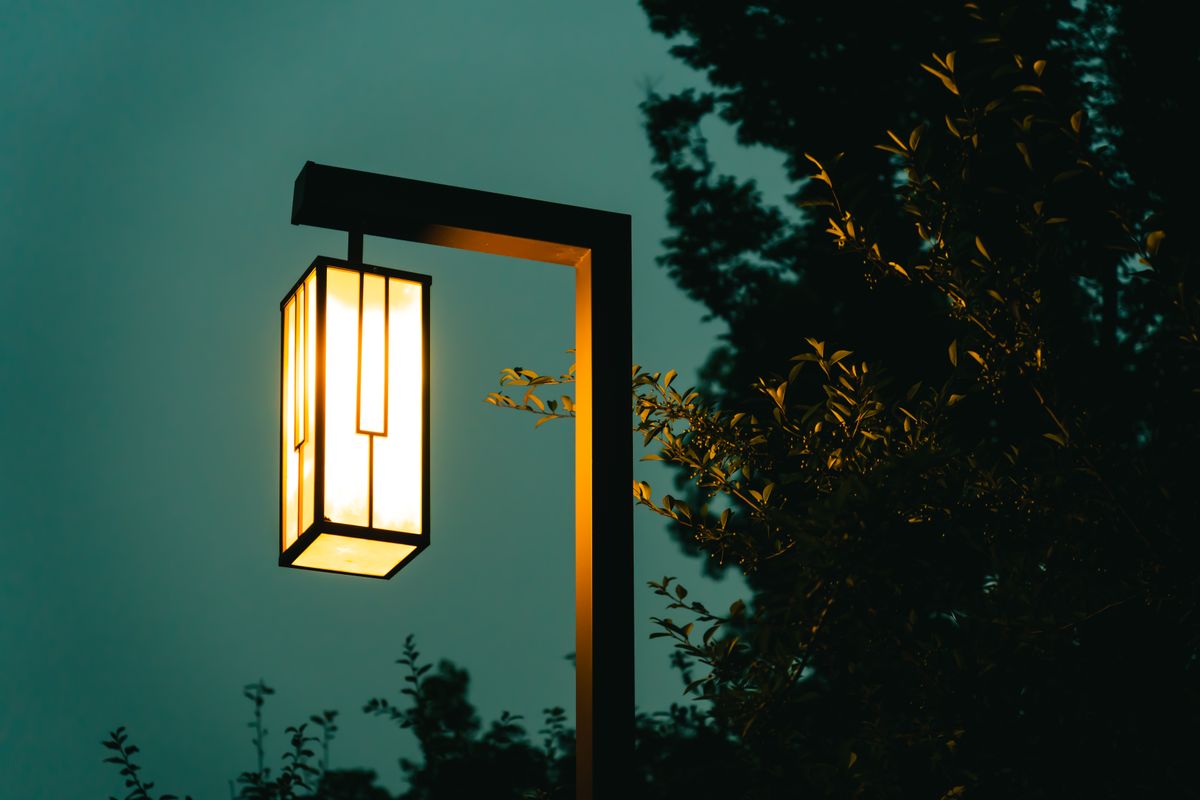
Photo by JUNLIN ZOU on Pexels
When unboxing your Solar Water Drop Lantern for the first time—or if you suspect a location receives too much nighttime ambient light—perform the 5-Second Palm Test.
In bright daylight or under an indoor lamp, firmly cover the entire top solar panel with the palm of your hand. If the master toggle switch is turned ON, the internal flickering LED candle will instantly awaken with a warm, amber glow. If it remains dark, switch the toggle under the solar cap to the alternate position and test again. This quick check verifies both battery charge and switch orientation without waiting for dusk to fall across your patio.
Troubleshooting Matrix: Dim Glow, Short Runtime, or Sensor Hesitation
| Symptom | Probable Cause | Real-World Diagnostic Step | Immediate Solution |
| --- | --- | --- | --- |
| Lantern fails to illuminate at dusk | Power switch is OFF, or battery was not pre-charged | Perform the 5-Second Palm Test by covering the solar top in daylight | Flip the switch beneath the cap to ON and leave in direct sun for 8 full hours |
| Light flickers briefly, then turns off prematurely | Insufficient daytime sun exposure or dirty panel | Inspect solar panel for shade from porch eaves, dust, or tree pollen | Wipe panel clean with a damp microfiber cloth and relocate to an unshaded southern exposure |
| Lantern turns on during late dusk but shuts off when porch light turns on | Photocell detecting high-lumen ambient light from house lights | Observe whether nearby outdoor fixtures shine directly on the solar panel | Reposition lantern at least 6 to 10 feet away from direct porch light spill or streetlamps |
| Glow duration drops significantly during winter months | Lower solar sun angle and shorter daytime sunlight hours | Check for accumulated snow or ice atop the IP65 waterproof casing | Gently brush off snow; expect 4 to 6 hours of glow under winter sun conditions |
If your garden lantern appears hesitant to shine or fades sooner than expected, consult this side-by-side diagnostic guide to restore its evening radiance.
Interactive Tool: Solar Charge & Evening Glow Estimator
Planning your garden illumination for the changing seasons? Use this mental framework or our theoretical estimator to project your teardrop lantern's nightly burn time based on sun exposure and sky conditions.
5 Common Placement Mistakes That Stifle Solar Charging
Even the most beautiful solar fixtures rely on elemental physics to produce their magic. Avoid these frequent placement missteps to keep your garden bathed in amber light:
Recommended Outdoor Lighting Configurations
Ready to transform your pathways, patio tables, or tree branches into an enchanted retreat? Bring home effortless dusk-to-dawn beauty with our centerpiece lantern.
Seasonal Sunlight & Battery Maintenance Checklist
Photo by Star Zhang on Pexels
- Confirm internal toggle switch under the solar cap is set to 'ON' prior to initial outdoor exposure.
- Wipe top photovoltaic module with a damp microfiber cloth monthly to clear dust, pollen, and leaves.
- Verify lantern placement receives 8 to 10 hours of unshaded sky exposure during peak daylight hours.
- Ensure nearby patio torches, security floodlights, or streetlamps do not shine directly onto the photocell at night.
- In freezing winter weather, brush accumulated snow off the solar casing to preserve sunlight absorption while trusting the IP65 waterproof seal.
Key Takeaways: Charging & Dusk-to-Dawn Care
Keep these essential rules in mind to maintain a enchanted garden glow night after night:
Frequently Asked Questions: Charging, Weathering & Dusk Sensors
Explore quick, authoritative answers to common operational questions regarding your solar teardrop lights.
Next Steps for Effortless Evening Ambiance
Your decision: Determine whether your lantern's current location receives at least 8 hours of unobstructed daily sunlight and remains free from bright artificial light sources at night.
Do this next: Perform the 5-second palm test on your lantern's top solar cap to confirm the power switch is set to ON, then secure it on a sunny shepherd's hook or patio table.
- Read next: Solar Garden Lantern Maintenance & Care: Keeping Your Water Drop Glow Brilliant Year-Round
Enhance your walkway or tree branches with the Solar Water Drop Lantern (Pack Size) for balanced, synchronized evening illumination.
Take these quick actions today to ensure your garden shines brightly every night.