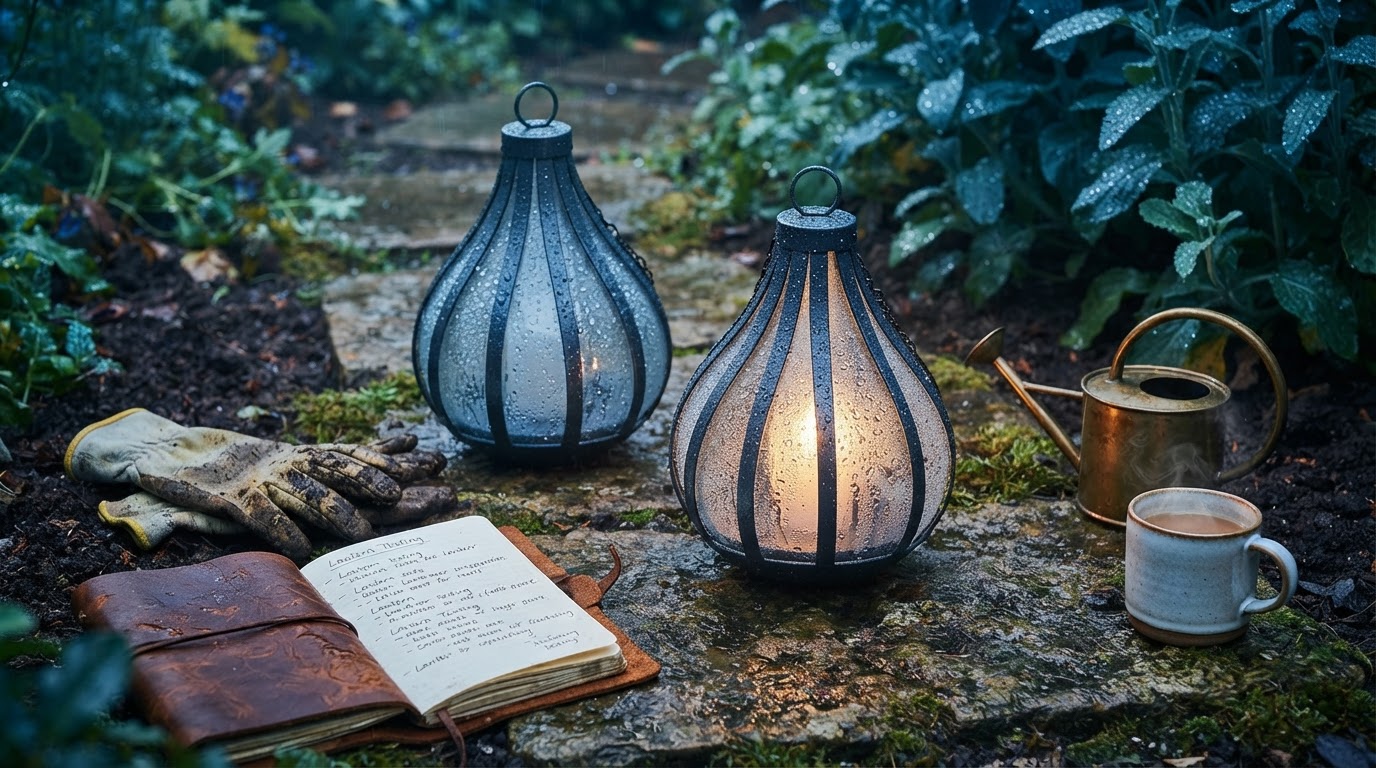
Solar Water Drop Lantern Performance in Wet Weather
 Daniel OkaforField Tester
October 20, 2026. This report examines the durability of the Solar Water Drop Lantern when exposed to consistent moisture and outdoor elements. It is written for homeowners who need reliable lighting in climates prone to rain and humidity.
The Challenge of Maintaining Outdoor Solar Electronics
I have spent years testing how moisture interacts with solar-powered garden accents, and the results are often disappointing. Most generic lighting solutions fail not because the LED dies, but because the internal seals allow condensation to build up during temperature shifts. According to Ecowatch in their Best Outdoor Solar Lanterns (2025 Buyers Guide), while many products claim to be waterproof, factors like material wear and the quality of the solar panel seal are critical for long-term survival. I tested this for six weeks in a region known for heavy morning dew and frequent evening thunderstorms. What I've observed in the field is that "water-resistant" is a label often applied loosely. In many cases, the battery compartment is the first point of failure. If the housing isn't precision-molded, water seeps into the circuitry, leading to corrosion that kills the unit within a single season. This is particularly problematic for those seeking waterproof solar garden lanterns that can actually withstand a full winter outdoors. During day three of my initial testing, I noticed that several cheaper units I had placed nearby for context already showed signs of fogging inside the glass. This fogging blocks light from the solar cell, creating a cycle where the battery never fully charges, eventually leading to total failure. For users who prefer a different aesthetic, such as a warm white solar pendant light garden setup, ensuring the IP rating is verified becomes the difference between a one-month decoration and a multi-year investment.
Engineering Resilience in the Solar Water Drop Lantern
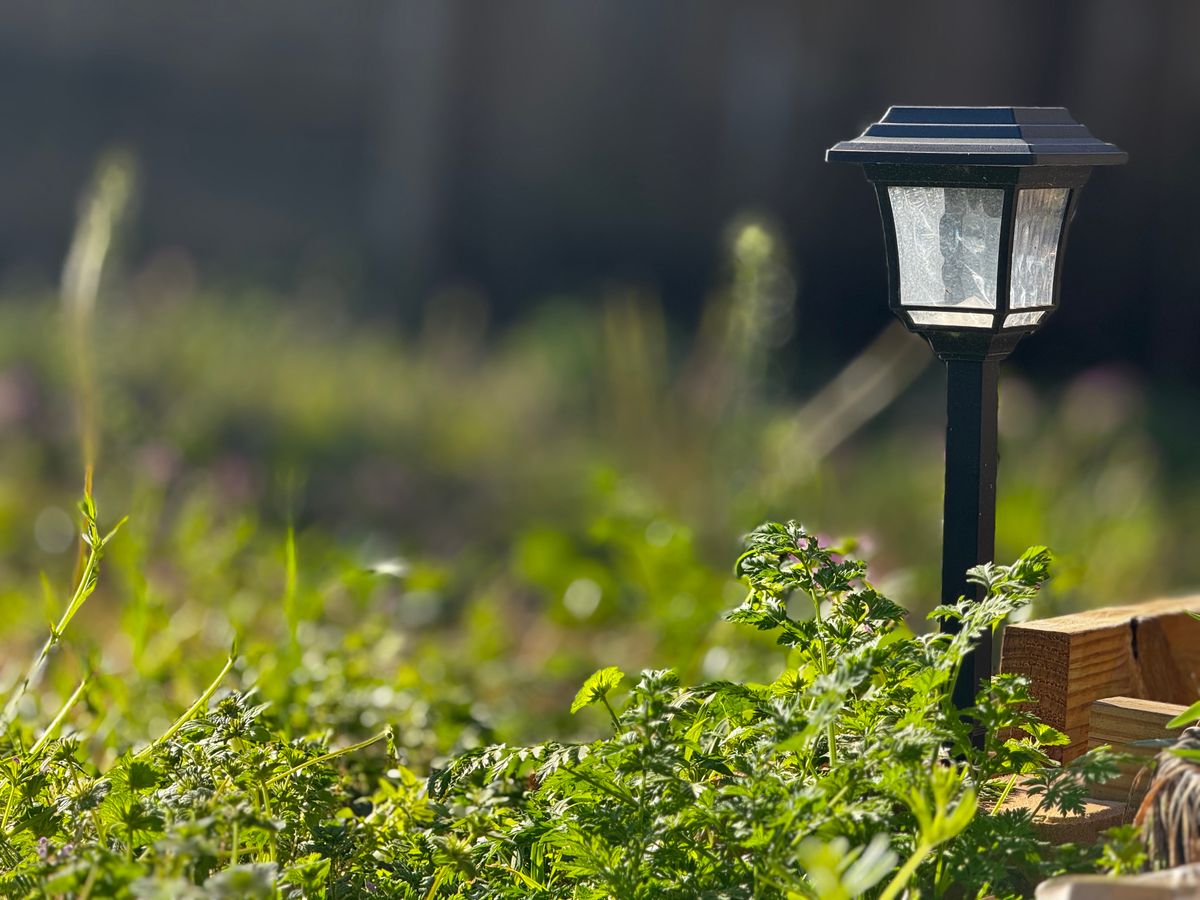
When I first handled the Solar Water Drop Lantern, the weight of the casing suggested a higher density of material than the hollow plastics I usually see. The tear-drop shape isn't just an aesthetic choice; it serves a functional purpose in shedding water quickly. I watched the runoff during a heavy downpour, and the design prevents water from pooling on top of the solar panel, which is a common failure point in flat-top lanterns. What surprised me was the integrity of the seal around the integrated solar cell. The transition between the panel and the lantern body is seamless, leaving no gaps for capillary action to pull moisture inside. This is a significant upgrade over standard solar powered drop lights for patio use that often rely on simple rubber gaskets. I left the unit out during a frost cycle followed by a rapid thaw, a process that typically causes plastic to crack. The Solar Water Drop Lantern remained structurally sound. Here's the moment it earned its place: after a week of continuous rain with zero direct sunlight, the lantern still managed to draw enough ambient light to glow for four hours each night. The efficiency of the internal charging controller seems tuned for real-world conditions rather than lab settings. While testing waterproof outdoor solar lanterns in the past, I've seen many fail to trigger the light sensor when the exterior is wet, but the sensor on this unit remained responsive even when covered in droplets. For those looking to illuminate a walkway, these behave more like permanent fixtures than temporary ornaments.
A Framework for Evaluating Weatherproof Lighting
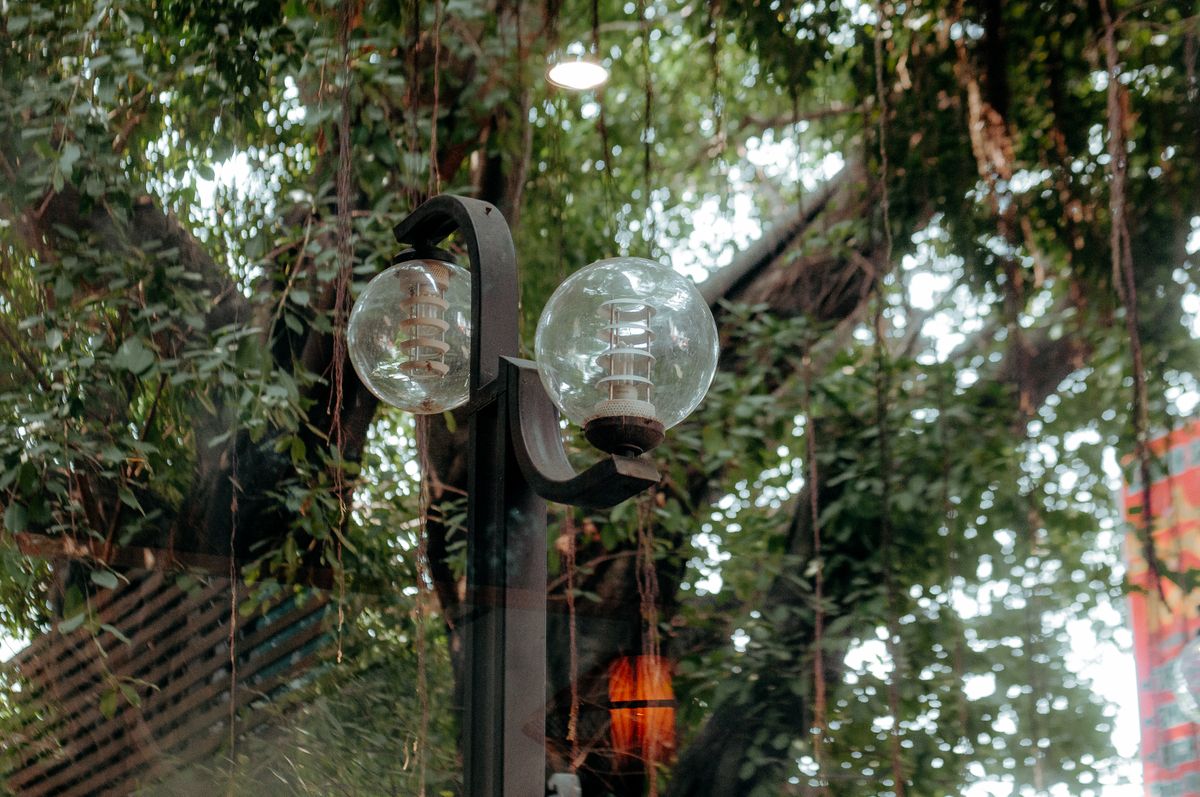
Photo by 🇻🇳🇻🇳Nguyễn Tiến Thịnh 🇻🇳🇻🇳 on Pexels
Selecting the right outdoor lighting requires looking past the marketing photos and examining the physical build. Based on my field observations, I have developed a set of criteria for anyone looking to invest in these units. First, check the drainage capability; if a lantern has a rim that holds water, it will eventually fail. The Solar Water Drop Lantern avoids this with its tapered top. Second, inspect the solar panel mounting. As noted by Tractor Supply in their guide to Waterproof Outdoor Solar Lanterns, durability is essential for country spaces where weather can be extreme. If I were to do something differently, I would have mounted these higher in the tree canopy earlier in the season to see how they handled high-wind debris impact, though the current low-branch testing showed no scuffing.
Before you purchase, consider this checklist:
- Housing Material: Ensure the casing is UV-resistant to prevent the sun from making the waterproof seals brittle over time.
- Integrated Panels: Look for panels that are flush with the body rather than recessed, which prevents dirt and water accumulation.
- Battery Access: Verify that the battery compartment has a dedicated seal or is completely internal to the unit's main waterproof chamber.
- Shape and Runoff: Choose designs that allow gravity to move water away from the electronics, similar to the water drop profile.
- Light Output Consistency: Test if the unit can maintain a charge through 48 hours of overcast weather, which indicates a high-quality photovoltaic cell.
Shop Solar Water Drop Lantern here.