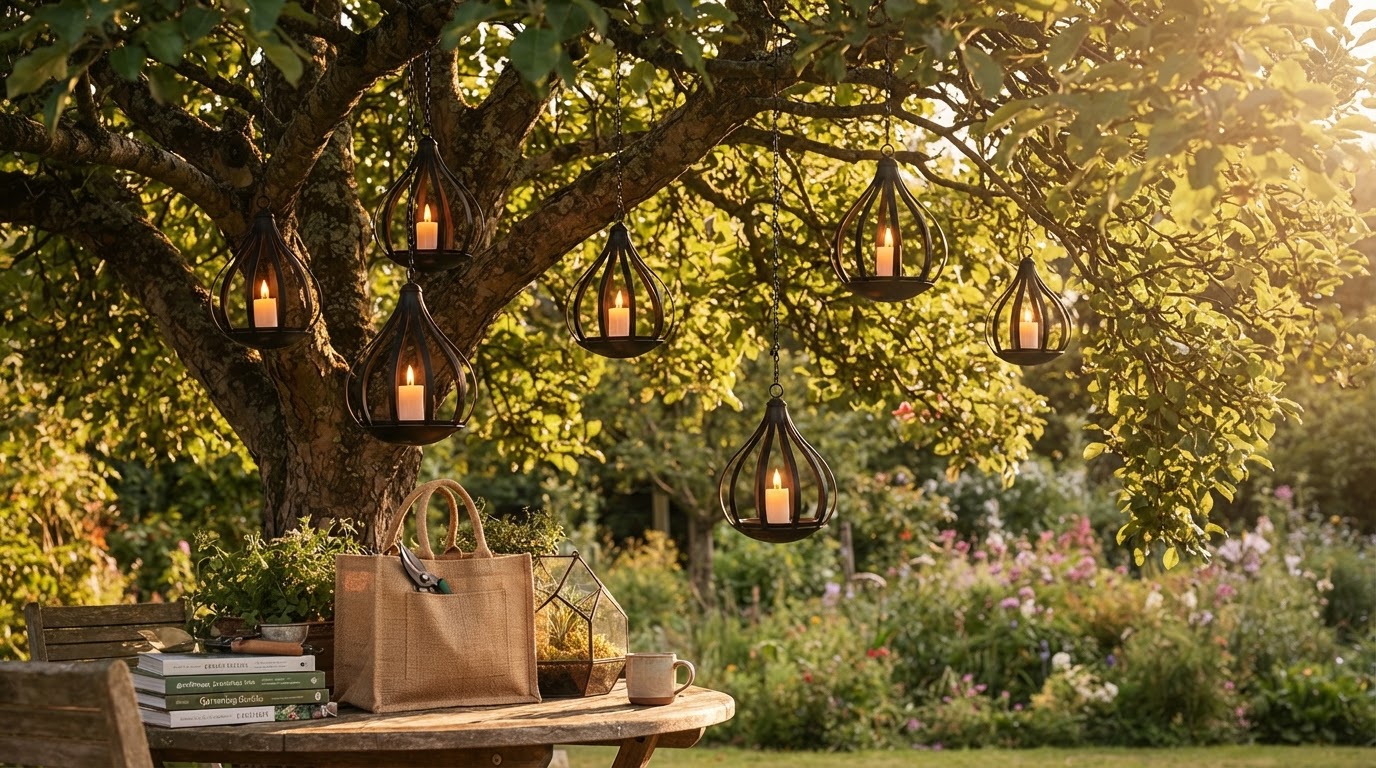
Elevating Tree Canopies with Solar Water Drop Lanterns
 Jordan HaleStaff Writer
August 3, 2026. This exploration details the practical and aesthetic considerations for hanging solar lighting within mature tree canopies. It is written for homeowners seeking to transform vertical garden space without the complexity of hardwired electrical systems.
I remember standing in the yard at dusk, watching the silhouettes of the oak limbs disappear into the dark. There is a specific quiet that settles over a garden when the sun drops, but without light, that beauty is often lost to the shadows. According to Pinterest's collection of Tree solar lights outdoor, over a hundred people have recently searched for ways to bring this vertical dimension to life, seeking inspiration that moves beyond basic ground-level stakes. The challenge has always been the logistics of the tree itself. Traditional corded lights require a power source that rarely reaches the high branches, and many battery-operated units fail after the first heavy rain. I have spent evenings untangling cheap string lights that caught on the bark, only to find they lacked the luminosity to actually penetrate the foliage. The first thing I noticed was how much the weight of a fixture matters; too heavy and the branch dips unnaturally, too light and it swings erratically in a summer breeze. Finding that balance is the difference between a garden that feels curated and one that feels cluttered.
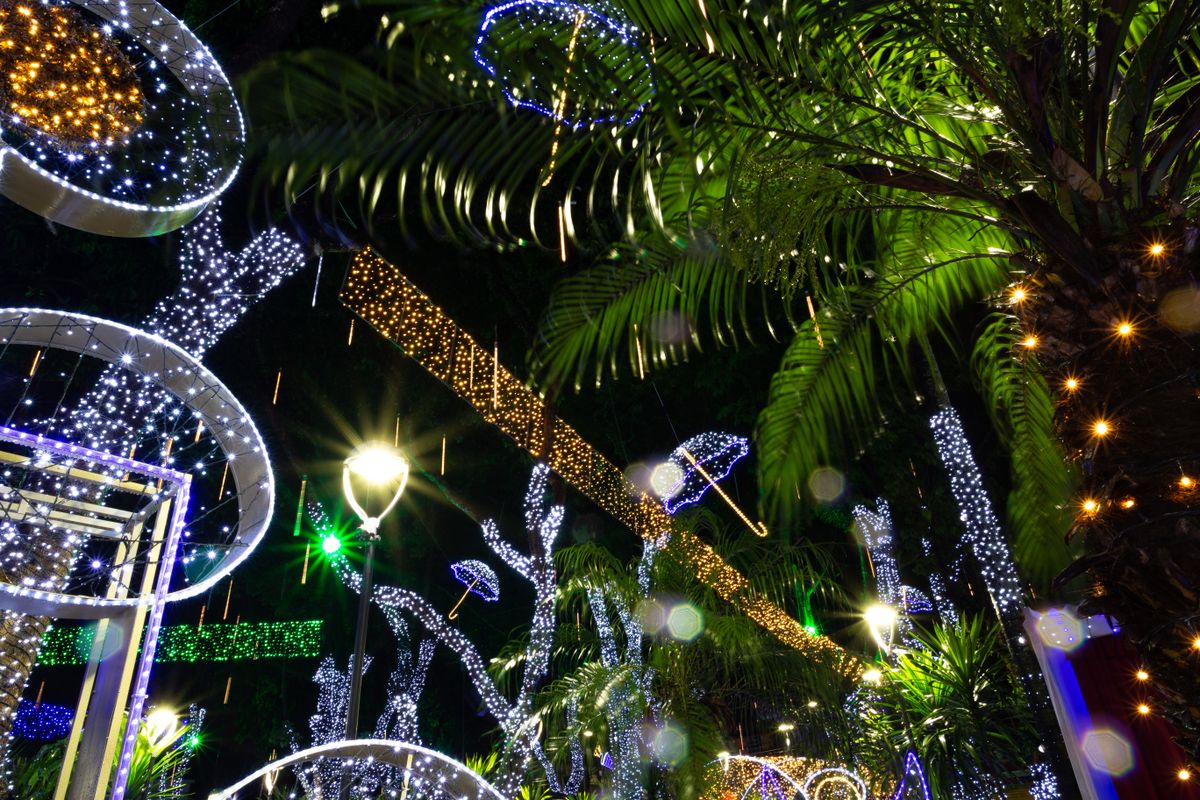
Photo by Marcelo Chagas on Pexels
Integrating the Solar Water Drop Lantern into these high-reaching spaces solves the primary conflict of power versus placement. Because these lanterns are self-contained units, the installation is a matter of finding a sturdy branch rather than a nearby outlet. The design mimics the organic shape of a falling droplet, which allows it to blend into the natural architecture of a tree during the day. Somewhere around week two, I realized that the placement of the solar panel—integrated directly into the top of the lantern—was capturing enough ambient light even through the dappled shade of the leaves to power the LED throughout the night. It turns out that the teardrop shape isn't just for show; it helps shed rainwater and debris, which often accumulates on flat-topped lanterns and obscures the solar cells. When these lanterns are hung at varying heights, they create a depth of field that makes a small yard feel significantly larger. The light emitted is soft enough to avoid startling local wildlife but bright enough to define the perimeter of the property. I keep coming back to the way the glass catches the wind; it doesn't clatter against the wood but moves with a gentle, silent weight.
Selecting the right placement requires a strategy that accounts for both the health of the tree and the efficiency of the light. It is essential to choose branches that are at least two inches in diameter to support the fixture over long periods without causing bark abrasion. As noted by Terrain in their curation of outdoor lighting, the goal is to illuminate the space while respecting the natural environment. When you are ready to install your own set, follow this framework to ensure longevity:
- Assess the solar exposure of each branch during peak daylight hours to ensure the internal battery can fully charge.
- Use weather-resistant S-hooks or natural jute twine to hang the lanterns, allowing for branch growth over time.
- Stagger the heights of the lanterns to mimic the natural variation of a forest canopy.
- Clean the solar panels every few months with a damp cloth to remove pollen and dust that can reduce charging efficiency.
- Check the tension on the hanging mechanism after significant storms to ensure the lantern remains secure.