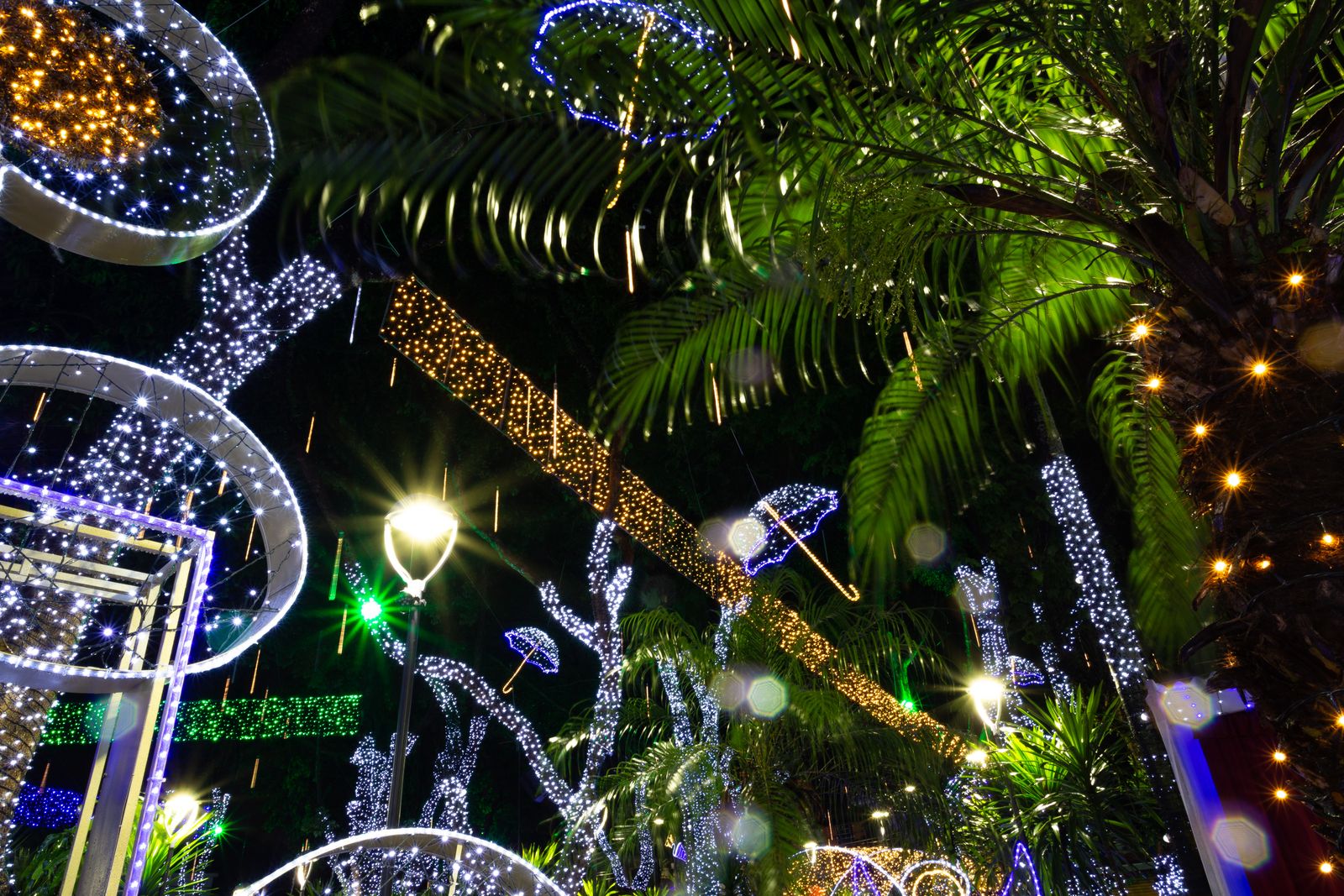
Illuminating the Flowerbed: Choosing and Positioning Border Lights for Magical After-Dark Gardens
Garden border solar lanterns belong on the bed edge, where a 10-lumen flickering teardrop can paint the first row of leaves without being swallowed by foliage. Choose a metal IP65 water-drop lantern at 20.5 cm × 15.5 cm with a hanging hook or a stable base, auto on/off, and a 0.2W panel that still sees the sky. Place along the border the eye already follows. A Solar Water Drop Lantern is a decorative edge marker, not a buried well light.
A border light is an edge, not a plant jewelry box
Flowerbeds go dark in a block if the only lamps sit on the patio. A border lantern sits where soil meets path or lawn, so the first stems catch reflective patterns and the rest of the bed stays in soft dusk.
Buying a tiny stake and shoving it into the middle of the planting hides both the glow and the panel. The 0.2W face needs 8–10 hours of useful sun. Keep the lantern on the rim.
Height matters. A 20.5 cm teardrop on the soil line reads as a jewel at the border. Hung from a short hook just outside the bed, it throws patterns onto the planting. Buried in mulch, it holds water against metal.
What to buy before a single lantern touches soil
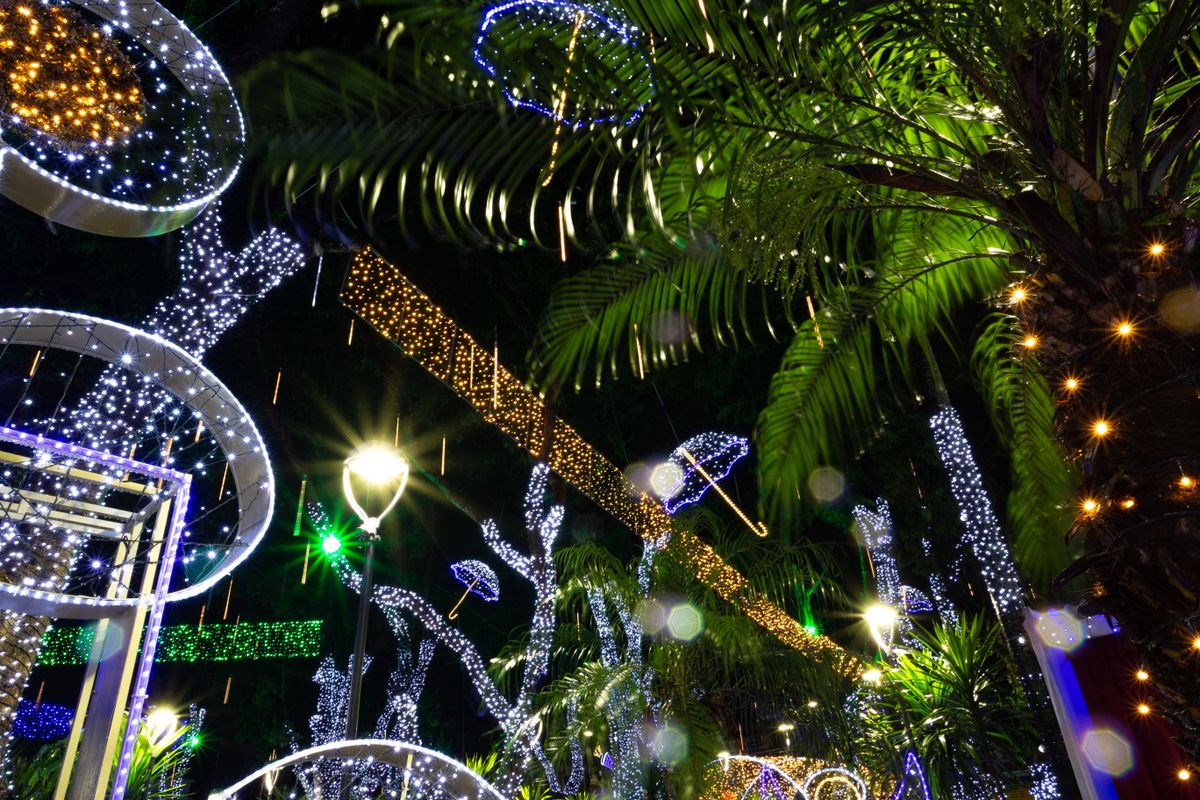
Photo by Marcelo Chagas on Pexels
Buy metal, IP65, flickering candle effect, and auto on/off. Those four traits match a bed that is watered, rained on, and ignored at twilight. Ten lumens is enough to trace the border. More output from a different fixture class will bleach petal color and glare into the house.
The hanging hook is a placement tool, not only a tree feature. A hook on a low border post keeps the 600 mAh cell and panel above irrigation splash. A sit on a flat stone works where the bed already has a hard edge.
Skip solar discs meant to be stepped on, and skip string lights that need an outlet at the bed. The guide to choosing a solar water drop lantern for garden design is the form map; this page is the border buy.
Position for plants by day and glow by night
Walk the bed at midday. Mark every stretch where the panel would see open sky at 30–45 degrees. Drop any stretch under a dense shrub or a fence shadow that never lifts. Charge temperature is 0°C to 45°C; a black metal body in a closed, sun-baked corner in midsummer is a heat problem as much as a winter freeze is a charge problem.
At dusk, the job is a line of soft pools, not a runway. Set lanterns so each 10-lumen glow just meets the next along the curve the gardener already walks.
Keep irrigation from soaking the crown. IP65 handles rain; a drip emitter aimed at the panel all morning is a different insult. Angle heads away from the solar face.
Patterns, paths, and what the border should not try to do
Reflective patterns are most magical when they hit nearby foliage and stone, then fade. That is why the lantern sits at the front of the bed, not behind a wall of canna leaves. If the house window faces the border, aim the open face slightly along the bed so 10 lumens does not stare into a bedroom.
Do not ask border lanterns to light a trip hazard on a separate walk. If the path needs its own rhythm, that is a pathway layout, not a flowerbed job. For sun angles on the rest of the yard, use how to position outdoor solar lanterns for max sun.
Border placements that work versus ones that fail
| Placement | Use it when | Avoid when | | --- | --- | --- | | Soil-line teardrop on a flat stone | Hard bed edge, open sky | Mulch bowl that holds water | | Low hook just outside the bed | Need pattern on the first plants | Hook stands in irrigation spray | | Line along a curved border | The eye already follows that curve | Random one-off in the densest clump | | Front of the bed, panel up | 8–10 hours of useful sun | North fence shadow all afternoon | | Mixed with path lanterns on one rim | Rarely | The walk and the bed both need a clear job |
Flowerbed border lantern checklist

Photo by DΛVΞ GΛRCIΛ on Pexels
- [ ] Buy metal IP65 teardrops with flicker and auto on/off.
- [ ] Sit or hang on the bed edge, never inside dense foliage.
- [ ] Aim the 0.2W panel at sky near 30–45 degrees.
- [ ] Keep drip heads off the solar face.
- [ ] Space along the curve the eye already walks.
- [ ] Leave trip-hazard path lighting as a separate line.
Frequently asked questions
Can a solar lantern sit in the flowerbed soil?
Sit it on a stone or hook at the edge. Do not bury the metal body in wet mulch. IP65 is rain protection, not a submersion or soil-burial rating.
Will 10 lumens show flower color at night?
It will glaze the nearest petals and leaves with a flickering pool. It will not color-render a whole mixed border like a photographer's lamp.
How close can lanterns sit to tall perennials?
Far enough that midsummer growth cannot shade the 0.2W panel. Recheck in July; spring spacing is not summer spacing.
Do border lanterns replace path lights?
No. Border lanterns paint the bed edge. Path lights mark walking rhythm. Use both only when each line has its own job.
Is auto on/off useful on a bed nobody visits after dark?
Yes. The border still structures the garden from the house. Auto on/off spends the 600 mAh cell without a nightly walk into wet plants.
Related reading
Garden design, sun placement, and edge ideas sit next to this border buying page.
- choosing a solar water drop lantern for garden design
- solar water drop lantern positioning and placement strategy
- how to position outdoor solar lanterns for max sun exposure
- five aesthetic eco-friendly pathway lighting ideas
What to do next
Walk each flowerbed at noon and again at dusk. Mark the rim where sky still hits a panel and where the eye already follows the planting. Set metal teardrop lanterns only on that rim, keep foliage off the 0.2W face, and let 10 lumens paint the first row of leaves.
Cover photo by Marcelo Chagas on Pexels.