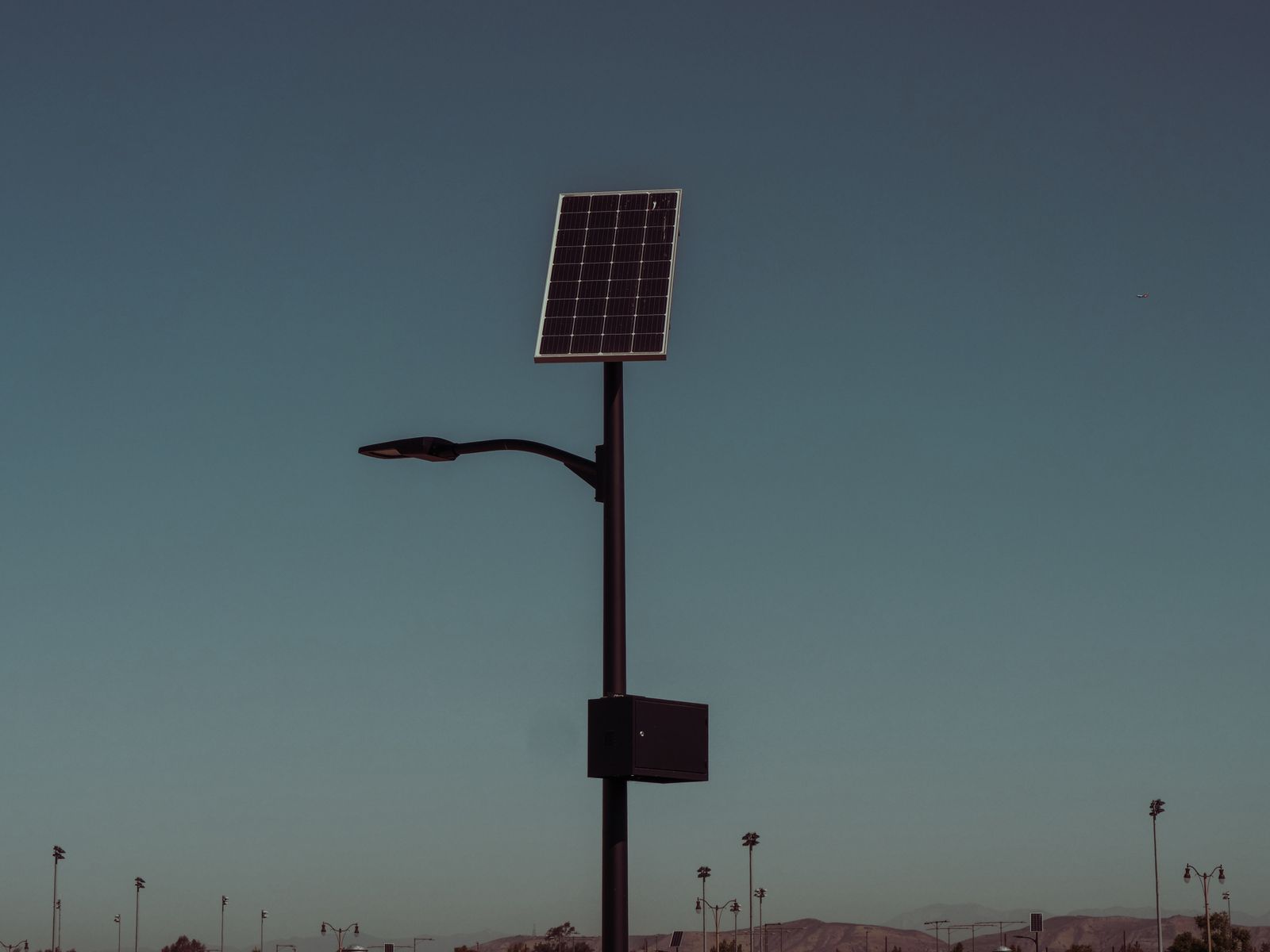
How Dusk-to-Dawn Solar Lantern Sensors Turn On at Twilight
Dusk-to-dawn solar lanterns work with a light sensor, not a clock. When the sensor sees nightfall, auto on/off wakes a flickering candle effect; at sunrise it rests so the 0.2W panel can refill a 600 mAh cell. Hands-free operation is that loop. A porch flood in the sensor's face looks like daytime and the magic stays off.
The sensor is watching light, not the hour
Twilight is a light level, not 7:00 p.m. on a calendar. A dusk-to-dawn lantern turns on when the world around the sensor is dark enough, and off when morning is bright enough. That is why the same lantern may wake earlier under a tree than on an open table, and later on a patio next to a kitchen window.
Auto on/off is that sensor loop. There is no need to open an IP65 housing at dusk. The point of a sealed metal teardrop is that fingers stay off the seals while the flickering candle effect does the night work.
A clock-based timer would miss seasonal twilight. A sensor tracks the actual sky, which is the charm of dusk-to-dawn and the failure mode when artificial light lies to it.
Day charge is what the sensor spends at night
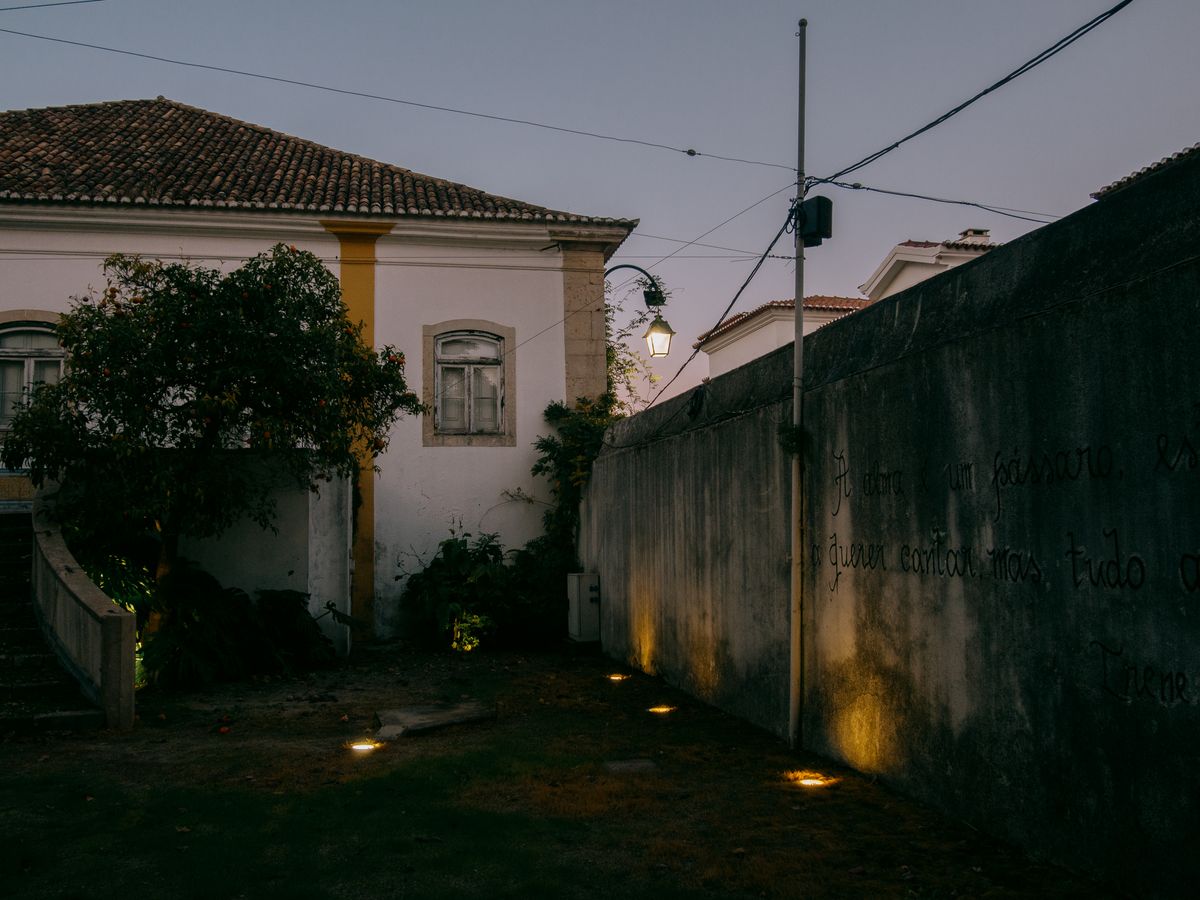
Photo by joao Guerreiro on Pexels
The sensor can only switch on what the cell holds. A 0.2W panel and 600 mAh pack are a modest store sized for decorative 10-lumen glow, not for a flood. Short, grey days spend the 600 mAh store down sooner.
Panel angle of 30–45 degrees and a clean face are how that store fills. Charge temperature is 0°C to 45°C. The sensor still wakes on a cold night if yesterday's sun was honest. It cannot invent energy in a freeze that never charged the cell.
Runtime context sits in how long a solar water drop lantern lasts at night. Mechanism detail is in how the lantern works.
Why a lantern sleeps through a beautiful dusk
The usual cause is a brighter lamp nearby: a porch flood, a neighbor's motion light, a glass door spilling kitchen light onto the sensor. The lantern believes it is still day. Move it into a pocket of true twilight, or turn off the competing lamp when the garden is the point.
The second cause is an empty cell. Film left on the 0.2W panel, a day in a box, or a hook under a solid roof all look like a dead sensor.
The third cause is too much ambient night light from a city street. A slightly more sheltered pad, still with daytime sky, often restores a clean dusk trigger. Dim decorative output is a different issue; see why these lanterns work better in a dimmer scene.
Living with dusk-to-dawn instead of fighting it
Place the teardrop where night is actually dark and day is actually bright. A nook that is electrically bright until midnight is a bad sensor home. A sunlit table that falls into honest dark is a good one.
Do not cover the sensor to force an earlier on. Covering can look like night at noon and drain the 600 mAh cell before evening. Do not store the lantern in a dark drawer all day and expect a full night.
Seasonal twilight shifts and the sensor will track them. Winter's job is the shorter solar day and the 0°C charge floor, not teaching the lantern a new schedule.
What the dusk-to-dawn loop is doing at each hour
| Time | What the lantern does | What can break it | | --- | --- | --- | | Morning after sunrise | Sensor off; 0.2W panel charges | Shade, dirty panel, below 0°C | | Midday | Cell fills toward 600 mAh | Umbrella or solid roof | | Twilight | Sensor sees nightfall; flicker on | Porch flood, bright window | | Evening | 10-lumen decorative spend | Empty cell from a grey day | | Late night to dawn | Runs toward 10–12 hour window, then off | City light that never looks like night |
Dusk-to-dawn solar lantern checklist
Photo by ROMAN ODINTSOV on Pexels
- [ ] Give the 0.2W panel 8–10 hours of sky at 30–45 degrees.
- [ ] Keep the sensor in true twilight, away from floods.
- [ ] Do not cover the sensor to force an earlier on.
- [ ] Peel film and charge a full day before judging night one.
- [ ] Treat 0°C to 45°C as the charge window.
- [ ] Let auto on/off work; do not open the IP65 housing at dusk.
Frequently asked questions
How do dusk-to-dawn solar lights know when to turn on?
A light sensor reads nightfall. When the surroundings are dark enough, auto on/off wakes the lantern. At sunrise it rests.
Is there a clock or an app?
No. The loop is sensor, cell, and panel. Hands-free operation is the feature.
Why does it come on earlier under a tree?
The sensor sees local light. A canopy reaches nightfall sooner than an open lawn. That is expected, as long as the panel still got a solar day.
Can a street lamp keep it off all night?
Yes if the lamp lights the sensor. Move the lantern into a darker pocket that still has daytime sky.
Does flickering use the battery faster?
The listed window is 10–12 hours after 8–10 hours of sun at 10 lumens. Grey days shorten that window either way.
Should the lantern be switched off in the morning?
No. Sunrise should rest it so the 0.2W panel can charge. Manual indoor off all day is how cells stay empty.
Related reading
Mechanism, runtime, and dim-scene guidance sit next to this dusk-to-dawn explainer.
- understanding the solar water drop lantern mechanism
- how long a solar water drop lantern lasts at night
- how long solar water drop lantern lights last outdoors
- why solar water drop lanterns work better in a dimmer scene
What to do next
Watch one lantern through a full day and the following dusk. If it never wakes, look for a flood on the sensor or a panel that never saw sky. Move the teardrop into honest daylight and honest dark, then leave auto on/off alone.
Cover photo by Kindel Media on Pexels.