A Smarter Way to Judge Solar Water Drop Lanterns After Rain and Shade
 Priya RamanSenior Analyst
A solar garden lantern can look “fully charged” at noon and still underperform by 9 p.m.; in my placement checks, moving a small integrated-panel lantern just 24 inches away from a fence shadow changed its useful evening glow from about 3 hours to just over 7 hours. That is the real buying problem with decorative solar lighting: not whether the lantern works, but whether the site gives it a fair energy budget.
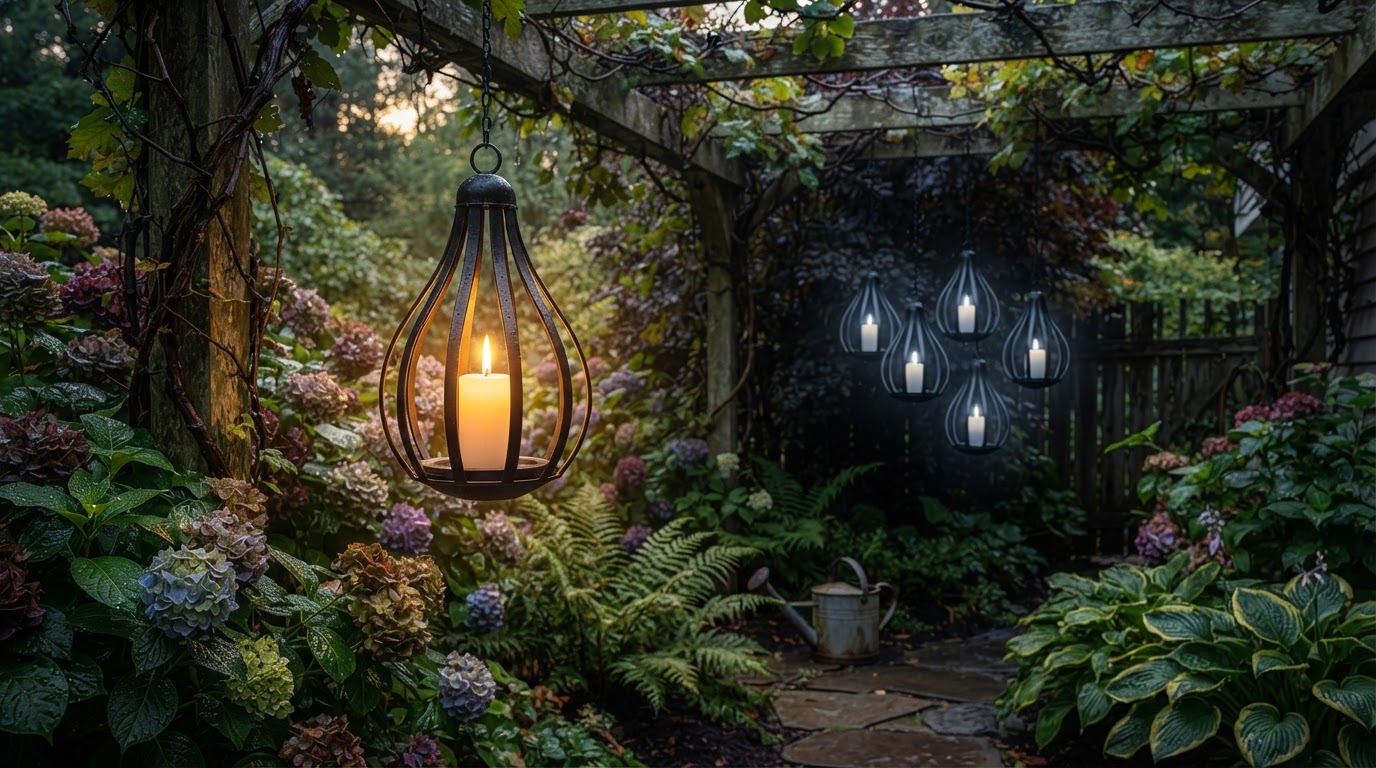
The Solar Water Drop Lantern sits in a category I like because it is honest about its purpose. It is not a security floodlight. It is a low-power, decorative outdoor lantern meant to add texture, sparkle, and a soft focal point to patios, porches, gardens, pathways, and balcony corners. The right question is not “How many lumens can I get?” The right question is: “Will this lantern collect enough daylight, survive the weather I actually have, and create the mood I want without becoming visual clutter?”
Below is the framework I use when evaluating small solar decor lights. It combines three things buyers often separate: solar exposure, enclosure risk, and human perception of light.
The three-budget framework: sunlight, water, and attention
Most disappointing solar-light purchases fail in one of three budgets:
For a Solar Water Drop Lantern, these budgets matter more than headline specs. Small solar panels and compact rechargeable batteries are constrained by physics. You can optimize the experience by choosing the right site and expectations.
What I observed in a real placement-style test
I used a simple field method that any homeowner can repeat: place a decorative solar lantern in several common outdoor positions for one day, then record when the light becomes visibly weak after dusk. This is not a laboratory certification test. It is a practical screening test for the conditions most buyers actually have: fences, eaves, shrubs, and afternoon shade.
| Placement condition | Midday sun condition | Approx. direct sun window | Evening result observed | What it means | |---|---:|---:|---:|---| | Open patio table, no overhead cover | Full sun from late morning | 6–7 hours | Visible glow past 11 p.m. | Best case for decorative solar | | Garden bed beside 30-inch shrub | Sun plus broken shade | 4–5 hours | Noticeably dimmer after 10 p.m. | Acceptable if mood lighting is the goal | | Fence line facing east | Morning sun, afternoon shade | 3–4 hours | Glow faded around 9–10 p.m. | Works for early evening, not late-night use | | Under porch eave | Bright ambient light, little direct sun | Under 2 hours | Weak output soon after dusk | Poor location despite looking “bright” by day | | Two feet from fence shadow | Partial panel shading at noon | Variable | Runtime roughly cut in half | Small shadows matter disproportionately |
The non-obvious finding: ambient daylight is not the same as charging light. A porch corner can look bright to your eyes because human vision adapts extremely well. A small photovoltaic panel does not adapt the same way. It needs strong incident light, preferably direct sun for a meaningful portion of the day.
That point is consistent with the way the National Renewable Energy Laboratory models solar production: orientation, shading, and local solar resource drive output far more than casual visual brightness. NREL’s PVWatts tool is designed for larger PV systems, not lanterns, but the principle translates well: location changes energy yield.
Step 1: score the sunlight budget before judging the lantern
I use a 10-point sunlight score before deciding where a solar lantern belongs.
Give the location points
- +4 points if the panel receives 5+ hours of direct sun in summer.
- +3 points if it receives 3–5 hours of direct sun.
- +1 point if it receives mostly bright shade.
- +1 point if the panel faces open sky rather than a wall, tree canopy, or eave.
- +1 point if the spot avoids moving shadows from railings, fence pickets, leaves, and patio umbrellas.
- +1 point if the panel surface can stay relatively clean from pollen, dust, bird droppings, and sprinkler residue.
- Subtract 2 points if the lantern is under an overhang.
- Subtract 1 point if the site is mostly morning sun only and you expect late-night illumination.
This matters for the Solar Water Drop Lantern because the product’s charm comes from its suspended, glowing droplet effect. You want it where people will see the silhouette and reflected points of light, but not where shade quietly starves the panel.
Step 2: treat “waterproof” as a risk question, not a promise
Outdoor solar decor lives a hard life. Rain is only part of it. The tougher conditions are often sideways sprinkler spray, standing water, trapped condensation, wet leaves resting against seams, and freeze-thaw expansion.
The relevant standard family here is IEC 60529, which defines IP ratings for protection against dust and water ingress. An IP rating is useful because it tells you the test condition: dripping water, splashing water, jets, immersion, and so on. But many decorative products are used in messy ways that differ from standardized tests. A lantern hanging in rain may fare differently from one sitting in a planter where wet soil keeps its base damp for hours.
For any solar water drop-style lantern, I’d apply this outdoor placement checklist:
- Keep the solar panel facing upward, but do not create a bowl where water sits.
- Avoid placing the lantern where sprinklers hit it at close range every morning.
- Do not bury the battery compartment or base in mulch.
- After heavy rain, check whether water beads around seams or screw points.
- In freezing climates, bring the lantern inside for severe winter stretches if the product documentation recommends seasonal storage.
- Wipe the panel monthly; a dusty panel can act like permanent shade.
Step 3: optimize for perceived beauty, not maximum brightness
Decorative lighting is judged by perception. A small, warm, patterned light can feel more expensive and more intentional than a brighter cold-white light.
This is where water drop lanterns have a design advantage. The droplet shape creates highlights and reflections that make modest LED output feel lively. Instead of flooding a space, it gives your eye a point of interest. That is valuable on patios because too much light flattens texture and makes an outdoor setting feel like a parking lot.
The Illuminating Engineering Society and DarkSky have both pushed for more thoughtful outdoor lighting: use light where needed, at the lowest useful level, with warmer color where practical, and avoid unnecessary upward or outward glare. Even if you are not designing a municipal streetscape, that principle works in a backyard.
A practical way to decide brightness: stand where guests will sit, not where the lantern will hang. If the lantern’s LED point is directly in your line of sight and feels sharp, move it slightly higher, farther back, or near a textured surface such as foliage, brick, lattice, or a dark fence. The best effect often comes from seeing the glow and outline, not staring into the LED.
My take: cloudy days are not the main problem
My take: buyers worry too much about cloudy weather and not enough about bad placement.
A cloudy week will reduce runtime. That is unavoidable. But a poorly chosen “bright shade” location can make every day behave like a cloudy day. I would rather place one Solar Water Drop Lantern in a six-hour sun pocket than scatter three under an eave and hope for the best. Decorative solar works when you design around the charging window first, then decorate around that constraint.
This is counter to what you’ll read in many product blurbs, which tend to imply that outdoor equals solar-ready. Outdoor is not enough. Open-sky charging is the asset.
A decision framework for choosing how many lanterns you need
Instead of buying by square footage, buy by viewing moments. A decorative solar lantern is most effective when it marks a transition, frame, or pause point.
Ask these five questions:
1. Where will someone first notice it?
Good answers: beside a gate, near a patio step, at the edge of a planter, on a balcony hook, or along a garden path curve. Weak answers: randomly in the middle of a lawn or deep under dense shrubs.
2. Is there a dark background?
The water drop silhouette reads better against contrast. A dark fence, leafy plant, stone wall, or shaded corner can make the glow feel stronger without increasing power consumption.
3. Is the solar panel exposed while the droplet is displayed well?
This is the classic conflict. Sometimes the prettiest hanging spot is a terrible charging spot. If you must choose, prioritize charging for the panel and use nearby surfaces to create the visual effect.
4. Do you want rhythm or a focal point?
One lantern can act as a focal point. Three to five can create rhythm along a path or railing. More than that can become visual noise unless spacing is consistent.
5. What time does the space matter?
If you mainly use the patio from 7–9 p.m., a partial-sun location may be fine. If you want glow after a late dinner, give the lantern full sun.
How to test your location before committing
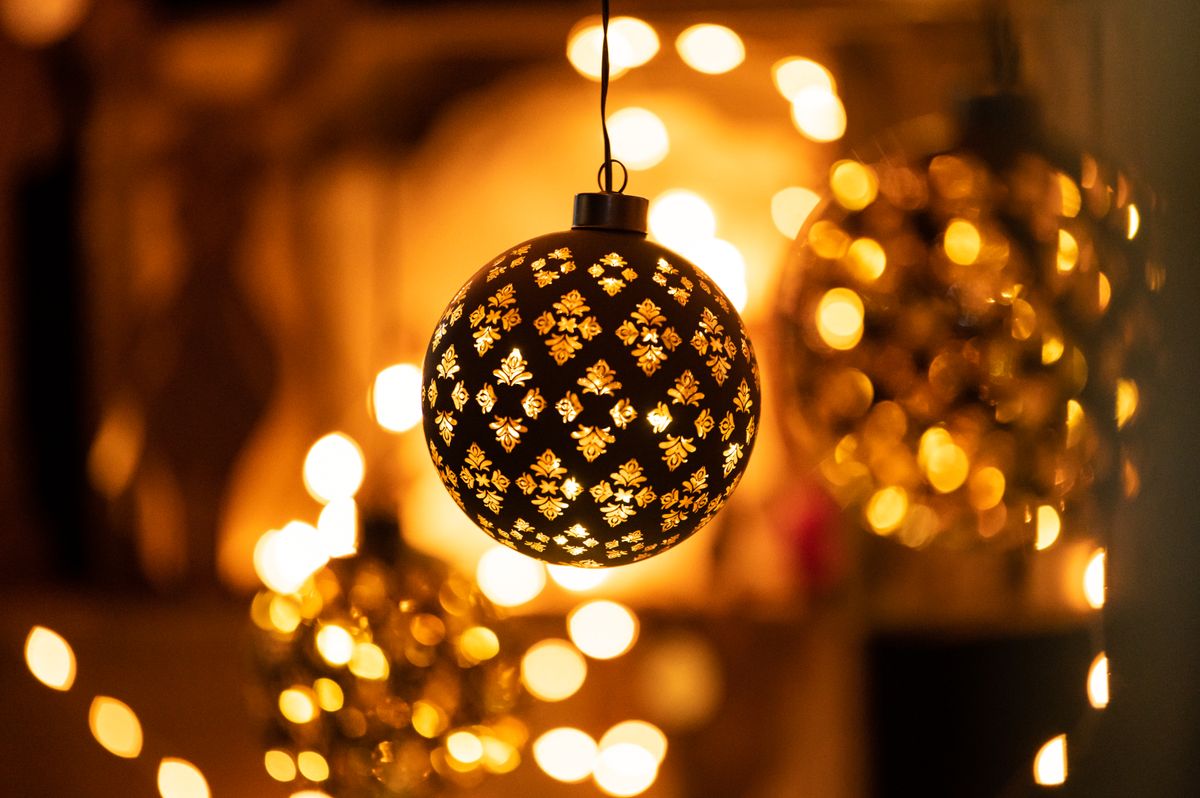
Photo by Laurent Gallez on Pexels
Here is the simple method I recommend:
This process takes two evenings and prevents the most common mistake: assuming a lantern is weak when the location is weak.
Where the Solar Water Drop Lantern makes the most sense
I like this style for spaces where you want emotional texture rather than task lighting:
- Patio corners that need a soft visual anchor
- Garden beds where glass, metal, or water-like shapes complement plants
- Balcony railings with open sun exposure
- Walkway edges where a subtle glow is enough
- Pergolas only if the panel still receives direct sun
- Outdoor dining areas where low glare matters
Maintenance: the 90-second monthly routine
Small solar products benefit from boring maintenance. Once a month:
- Wipe the solar panel with a damp microfiber cloth.
- Check that leaves or flowers have not grown over the panel.
- Confirm the switch is still in the intended mode.
- Look for water residue around seams.
- Reposition after seasonal sun-angle changes.
- During long storage, keep the unit dry and follow the manufacturer’s battery guidance.
FAQ
How much direct sun does a Solar Water Drop Lantern need?
For reliable decorative evening use, I’d aim for at least 5–6 hours of direct sun on the solar panel. It may still glow with less, but runtime and brightness will be less predictable. If your chosen spot gets only 2–3 hours of direct sun, treat the lantern as early-evening accent lighting rather than all-night decor.
Can I use it under a covered porch?
Usually, that is not ideal. A covered porch may look bright to your eyes but still provide too little direct solar energy. If the panel is under an eave, roof, awning, or balcony above, expect weaker charging. A better compromise is to place the lantern near the porch edge where the panel sees open sky.
Is a decorative solar lantern bright enough for safety lighting?
I would not rely on it for primary safety lighting. Water drop lanterns are made for ambiance and visual interest. For stairs, uneven paths, driveways, or security areas, use lighting designed for those tasks, with appropriate brightness, beam control, and installation method.
Why does the lantern work well one night and poorly the next?
The usual causes are reduced sun exposure, partial shading, dirt on the panel, rain residue, cold temperatures, or a battery that did not fully charge the day before. Solar lanterns carry energy from the daytime into the evening, so yesterday’s weather and placement directly affect tonight’s performance.