Troubleshooting Solar Lantern Charge in Winter: Rain & Snow Care
Rule of thumb: In winter, a solar lantern requires 4 to 6 hours of unshaded sunlight to produce a 10 to 12-hour nighttime glow. To fix winter charging issues, sweep snow off panels daily, relocate fixtures 3 to 5 feet south to clear low 24-degree sun-angle shadows, wipe photovoltaic glass with a microfiber cloth, and perform a 72-hour battery reboot by switching the unit OFF for 3 sunny days.
Essential Winter Lantern Care Takeaways
- 47-Degree Arc Drop: The sun sits significantly lower in winter, extending shadow paths up to 3 times farther across garden beds.
- 72-Hour Reset: A dormant or undercharged 1.2V NiMH solar battery can be restored by toggling the switch to OFF for 3 full days in direct sunlight.
- 100% Snow Clearance: Just 0.25 inches of snow or ice crust over a solar panel reduces photo-absorption by 100%.
- IP65 Protection: True weather sealing protects internal electronics during freezing freeze-thaw cycles down to -4°F (-20°C).
4-Step Winter Solar Lantern Care Protocol
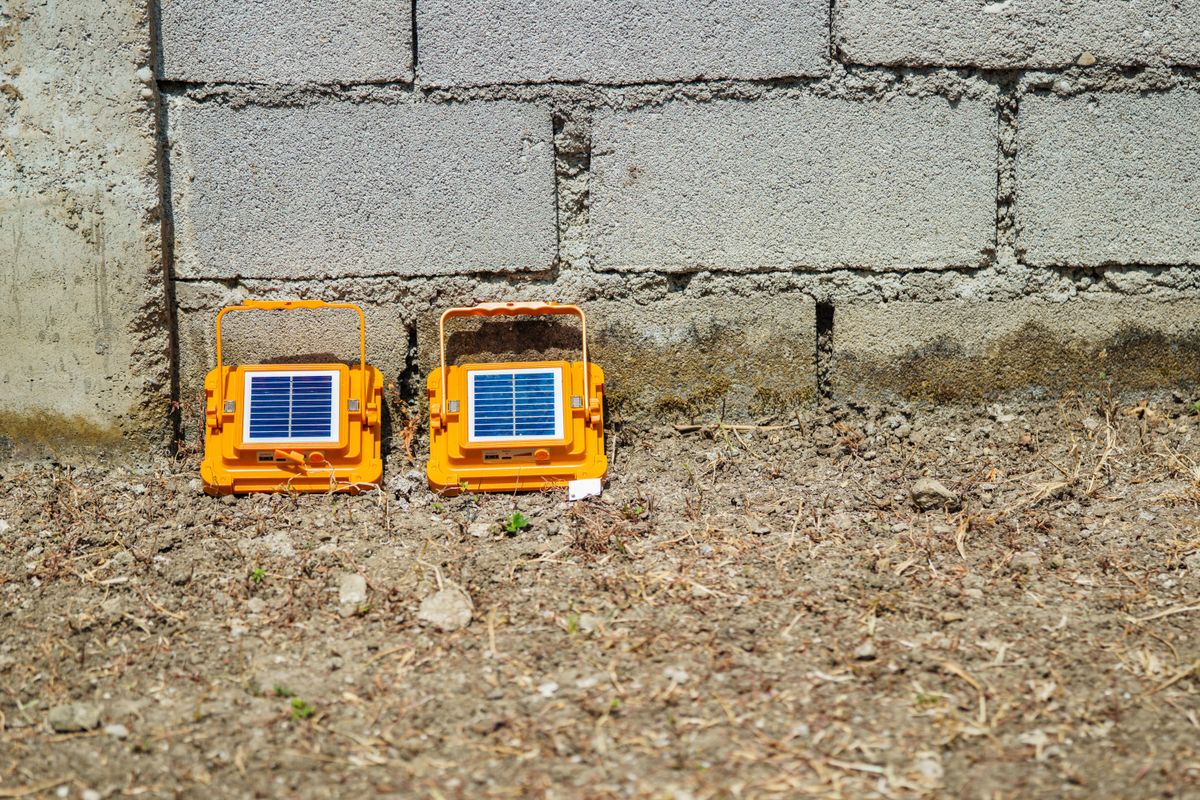
Photo by Nothing Ahead on Pexels
- Sweep away heavy snow accumulation and ice crusts from the solar panel daily using a soft brush.
- Wipe panel glass with a warm microfiber cloth to eliminate salt spray, dirt residue, and water spots.
- Inspect the IP65 rubber battery chamber gasket to ensure no moisture has entered the housing.
- Relocate lanterns 3 to 5 feet southwards away from bare tree shadow paths caused by low winter sun arcs.
Printable Winter Maintenance Summary Card
- Daily: Gently brush away fresh snow from top solar collectors.
- Bi-Weekly: Wipe solar glass with water and microfiber cloth; remove grime.
- Monthly: Check IP65 silicone seals for tight seating against moisture.
- Seasonal (Nov & Feb): Re-angle placement to catch low winter sun trajectories and execute a 72-hour battery reset if illumination duration dips below 6 hours.
Expert Advice: The 72-Hour Solar Battery Deep-Recharge Protocol
When dark winter skies persist for days, your rechargeable 1.2V NiMH battery enters a deeply discharged state. Rather than replacing the battery, perform this soft chemical recovery:
Winter Solar Lantern Diagnostic Decision Tree
- Is the lantern completely dark at dusk or just glowing dimly? → Yes: Check panel surface: Is it covered by snow, ice, or salt grime?. No: Go to Sunlight & Shadow Check.
- Is the panel covered by snow, ice, or salt grime? → Yes: Wipe panel clean with warm microfiber cloth and observe night glow.. No: Perform 72-hour off-switch battery deep-recharge protocol.
- Is the fixture shaded between 10 AM and 2 PM by bare trees or eaves? → Yes: Relocate lantern 3 to 5 feet south into direct solar exposure.. No: Inspect internal battery compartment for moisture ingress or corrosion.
- Does the lantern remain dark after a 72-hour reset and panel cleaning? → Yes: Replace the 1.2V NiMH AA rechargeable solar battery cell.. No: System successfully restored to peak winter operation.
Symptom & Solution Matrix for Winter Rain and Snow
| Symptom | Technical Cause | Quick Fix | Prevention Strategy |
| --- | --- | --- | --- |
| Lantern remains dark at dusk | Deeply discharged NiMH cell or obscured photovoltaic collector | Clear snow/ice; turn switch OFF for 72 hours in full sun to recharge | Brush off snow daily after winter storms |
| Light flickers out after 1-2 hours | Low winter sun arc (24° angle) casting long daytime shadows | Relocate lantern 3-5 ft south onto open shepherd hooks or patio tables | Adjust seasonal placement every November |
| Moisture fogging inside optical dome | Loose top cap or worn seal during rain-to-snow transitions | Dry interior with cloth; re-seat IP65 silicone gasket seal hand-tight | Inspect rubber O-rings during autumn prep |
| Dim or weak amber glow | Layer of fine winter salt, dirt, or water-spot film on glass | Wipe top panel thoroughly using warm water and microfiber cloth | Clean collector surface bi-weekly |
Identify common winter illumination issues and apply these targeted fixes to safeguard your garden atmosphere.
Four-Season Solar Lantern Maintenance Calendar
- Early Autumn (October) — Inspect IP65 rubber seals, wipe down metal filigree casing, and test auto-sensor response.
- Early Winter (November) — Relocate lanterns southwards to compensate for the 47-degree solar declination drop and low-angle shadows.
- Mid-Winter (December - January) — Clear snow accumulation daily with a soft brush; wipe solar panel glass bi-weekly with a warm cloth.
- Late Winter (February) — Perform 72-hour battery re-conditioning cycle to restore cell capacity after extreme freeze events.
- Spring Renewal (March) — Clean entire filigree frame, check NiMH battery baseline voltage (1.2V), and reposition for spring sun paths.
Weatherproof Replacement Parts & All-Weather Lantern Upgrades
Ensure year-round durability and timeless charm with weather-hardened lighting built to withstand snow, ice, and driving rain.
Winter Performance: Sealed IP65 Metal vs. Unsealed Plastic Lanterns
| Feature / Metric | IP65 Weather-Sealed Metal Lantern | Standard Unsealed Plastic Light |
| --- | --- | --- |
| Enclosure Material | Powder-coated rust-resistant metal filigree | Standard injection-molded plastic |
| Water Protection | IP65 rated (dust-tight & high-pressure water spray) | IP44 rated (basic splash resistance only) |
| Freeze-Thaw Resilience | Silicone gasket prevents water ingress expansion | Unsealed joints crack under freeze-thaw cycles |
| Solar Collector Quality | Monocrystalline panel with tempered glass cover | Polycrystalline panel prone to resin fogging |
| Winter Glow Duration | 8–10 hours charge yields 10–12 hours warmth | 2–4 hours maximum winter glow |
Compare how weather-sealed construction withstands harsh winter environments versus standard garden lights.
Winter Storage vs. Year-Round Deployment Decision Guide
Photo by Angelo Capitanio on Pexels
Choose between leaving fixtures outdoors or storing them temporarily depending on your winter USDA hardiness zone and fixture IP rating.
Best choice for
- Year-Round Outdoor Deployment — Full IP65 water/dust sealing prevents frost ingress, and high-efficiency panels recharge even in cold ambient temperatures.
- Temporary Indoor Battery Pause — Switching unit to OFF during ice accumulation protects battery recharge chemistry from deep voltage drops.
- Leaving unsealed (IP44) plastic fixtures out during deep freeze cycles where ice expansion cracks cheap casings.
- Seasonal Indoor Storage — If lanterns are stored indoors, remove NiMH batteries to prevent slow discharge degradation.
IP65 Weatherproofing & Electrical Specs Matrix
| Specification / Parameter | Technical Rating / Value | Operational Impact in Winter |
| --- | --- | --- |
| Ingress Protection | IP65 Certified | Protects against driving rain, blowing snow, and dust ingress |
| Battery Chemistry | 1.2V AA NiMH Rechargeable | Operates reliably down to -4°F (-20°C); soft recovery after freeze |
| Solar Collector Type | High-Conversion Monocrystalline | Captures ambient diffuse light off snow surfaces |
| Charge-to-Run Ratio | 8–10 Hours Sun = 10–12 Hours Light | Maintains nightly ambient glow even on reduced winter daylight cycles |
| Structural Casing | Sturdy Powder-Coated Metal Filigree | Resists rust, wind gusts, and heavy ice weight accumulation |
Technical operational thresholds for all-weather outdoor solar lighting.
5 Critical Mistakes That Kill Solar Lanterns in Winter
Avoid these common pitfalls to preserve the lifespan and magic of your outdoor solar illumination.
Timeline of a Winter Solar Battery Charge Cycle
- 07:30 AM (Sunrise) — Automatic dusk-to-dawn sensor detects ambient light and turns LED light off, initiating solar charging.
- 10:00 AM - 02:00 PM (Peak Sun Arc) — Monocrystalline panel absorbs direct and diffuse solar energy; optimal charging window occurs despite 24° low sun angle.
- 04:30 PM (Sunset/Dusk) — Photo-sensor triggers LED auto switch ON, illuminating garden space with soft candle flickering warmth.
- 04:30 PM - 04:30 AM (Nightly Operation) — NiMH battery discharges steadily over 10–12 hours, providing romantic flickering ambiance until morning.
Frequently Asked Questions About Winter Solar Lantern Care
Find clear answers to common winter maintenance and battery questions.
Keep Your Sanctuary Glowing Bright
Your decision: Determine whether your lantern requires a simple 72-hour battery reboot or a seasonal repositioning away from winter tree shadows.
Do this next: Clear all snow from the photovoltaic panel, switch the power toggle to OFF, leave the lantern in direct sunlight for 3 consecutive days to re-condition the battery, then switch back ON at dusk.
Related resource: Download our printable PDF Winterization Checklist for Outdoor Solar Fixtures.
If your existing lanterns lack weather sealing, upgrade to our heavy-duty IP65 Solar Water Drop Lantern (Pack Size) for year-round snow resilience.
Take action today to protect and enhance your outdoor living space throughout winter.
Continue Enhancing Your Year-Round Outdoor Sanctuary
Links to related cluster and pillar content.
Cover photo by Sidde on Pexels.