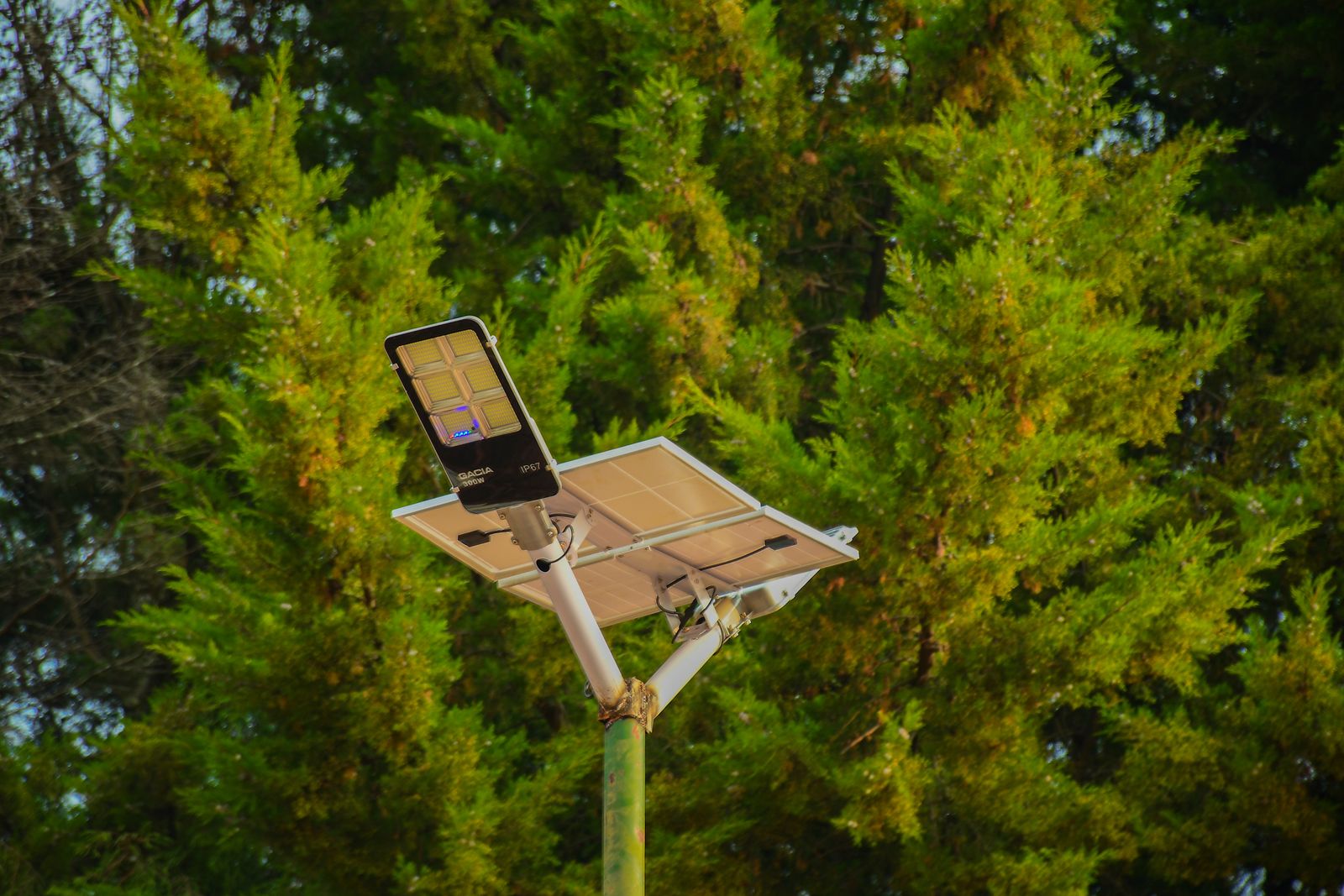
What Does IP65 Really Mean for Solar Lanterns? Demystifying Rain, Snow, and Moisture Protection
IP65 on a solar lantern means the housing is dust-tight (the 6) and protected against water jets from any direction (the 5). That is the rating that lets a metal teardrop stay in a garden through rain, snow, and dusty wind. It is not a submersion rating, and it is not a promise that a 0.2W panel will charge below 0°C. Read IP65 as outdoor permission, then still give the panel sky.
The two digits are two different protections
Ingress Protection ratings are a pair. The first digit is solids. A 6 means dust-tight: garden grit, pollen, and wind-blown soil should not stream into the electronics. The second digit is liquids. A 5 means water jets, the class of weather that includes driving rain, not only a vertical drizzle.
That is why IP65 shows up on a lantern meant for year-round outdoor use in gardens, patios, and pathways. A lower splash rating can be enough under a deep roof and still fail on an open table. The number is a test condition, not a mood word like waterproof on a hangtag.
Snow is water plus insulation. IP65 says melt and storm should not jet into the housing. Snow sitting on the 0.2W panel is a charge problem, not a rating problem. Brush the face clear so the cell can work when the air is inside 0°C to 45°C.
What IP65 does not mean
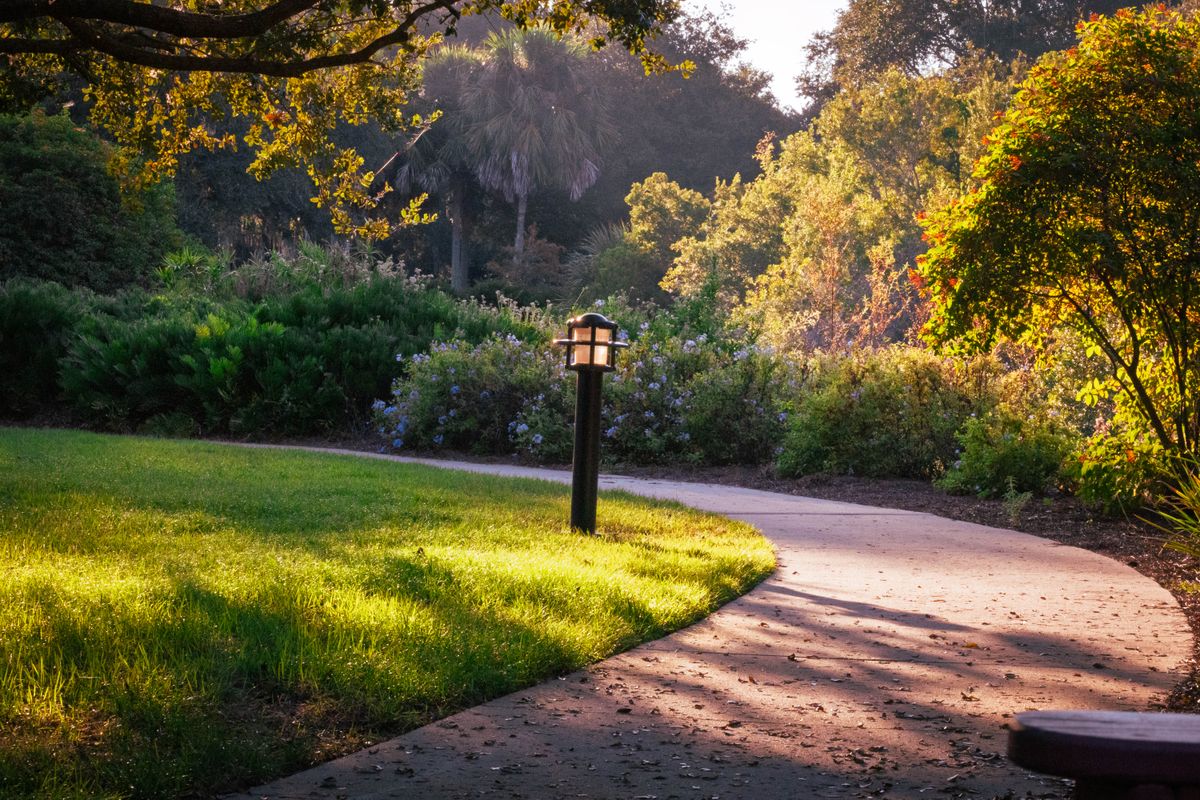
Photo by Kim Lawrie on Pexels
It does not mean the lantern can live in a fountain, a pond, or a saucer of standing water. Submersion uses higher second digits than 5. A water-drop shape is poetic, not an invitation to sink the fixture.
It does not mean the 600 mAh cell is immune to shade, short winter days, or a dirty panel. Weather sealing and energy harvest are separate systems. Eight to ten hours of useful sun still sit behind 10–12 hours of decorative light.
It does not mean the buyer can drill new holes for a homemade mount and keep the rating. Extra penetrations are how jets find a path. Use the hanging hook and a stable sit; do not modify the housing.
Rain, humidity, and metal as the long season
Rain is the obvious test. Humidity is the quiet one. Warm nights after a storm leave moisture in the air even when the jets have stopped. A sealed IP65 metal body is the right class for that climate. High-humidity performance still depends on not trapping the lantern in a closed, wet bag between uses.
Metal construction is not a rating, but it is how a 20.5 cm × 15.5 cm teardrop holds shape and gasket pressure through seasons. A housing that warps is a rating that silently expires. Keep the lantern out of mulch bowls that hold water against the base.
For climate after storms, use solar water drop lantern performance in high humidity and how to judge a lantern after rain and shade.
How to live with IP65 day to day
Leave the lantern out. That is the point of the rating. Auto on/off means there is no need to open the fixture at dusk. Hands-free operation keeps fingers off seals.
Wipe the solar face. Dust-tight does not mean dust-free on the outside. A film of pollen on a 0.2W panel is lost charge. After a dusty wind or a snow dump, the cloth is the maintenance tool, not a new rating.
Watch temperature for charging, not only for rain. 0°C to 45°C is the listed charge window. A lantern can glow from a cell filled on a milder day; a hard freeze is a poor time to expect a full refill. Give the metal body airflow rather than a closed glass box.
What each part of IP65 covers on a garden lantern
| Condition | IP65 covers it | Still the owner's job | | --- | --- | --- | | Driving rain on an open table | Yes, water-jet class | Keep out of standing puddles | | Dusty wind and pollen | Yes, dust-tight housing | Wipe the 0.2W panel | | Snow on the garden path | Yes for the housing | Brush snow off the solar face | | Pond or fountain rim splash plus soak | Splash maybe; soak no | Choose a dry pad or hook | | January charge below 0°C | Not a charge rating | Run on stored charge; wait for 0–45°C |
IP65 meaning checklist for solar lanterns
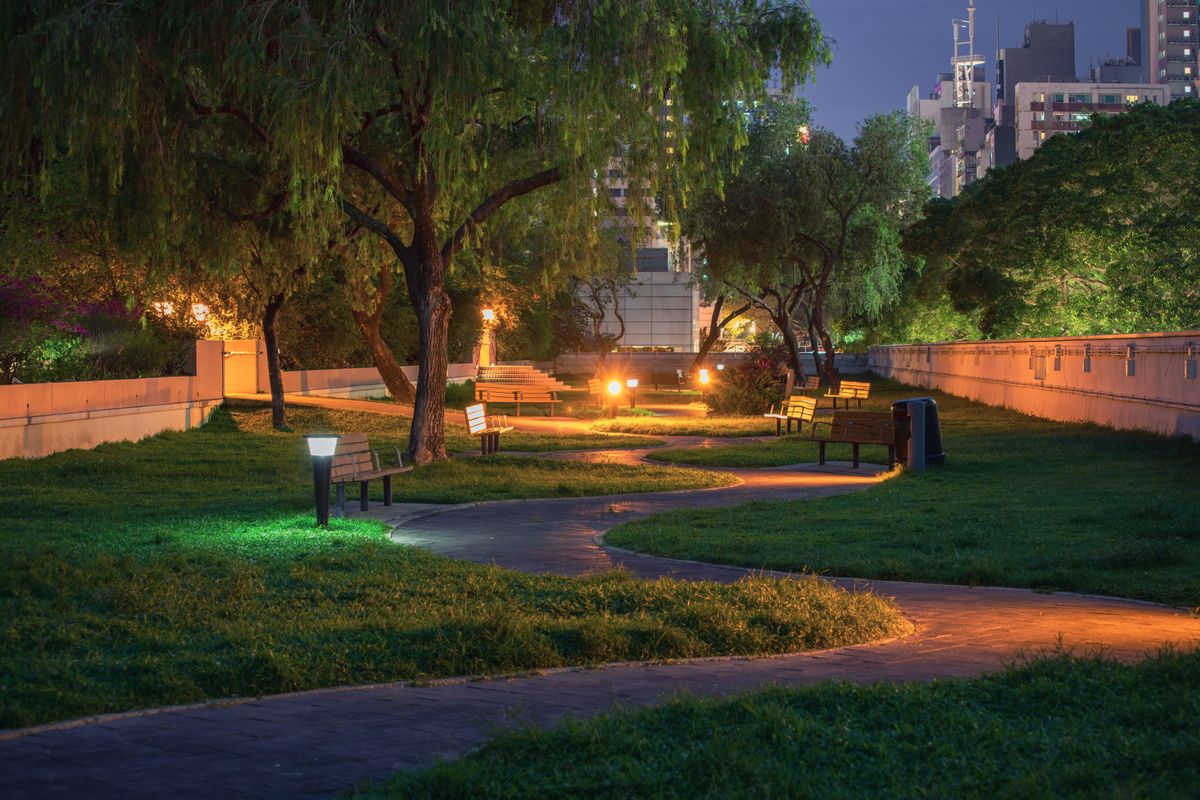
Photo by Gorma Kuma on Pexels
- [ ] Read 6 as dust-tight and 5 as water-jet protection.
- [ ] Treat IP65 as outdoor rain-and-snow permission, not underwater use.
- [ ] Leave the metal teardrop out; do not drill new holes.
- [ ] Wipe the panel after grit, pollen, and snow.
- [ ] Charge only in the 0°C to 45°C window.
- [ ] Keep the base out of mulch bowls and dishes of water.
Frequently asked questions
Is IP65 waterproof?
It is dust-tight and jet-rated, which is the right language for rain. It is not a word that means the lantern can sit underwater.
Can an IP65 lantern stay out all winter?
Yes for weather on the housing. Clear snow from the panel and treat 0°C to 45°C as the charge window.
Does IP65 stop rust on metal?
The rating is about ingress of dust and water into the enclosure, not a rust-proof coating claim. Dry the base of standing water and skip soil burial.
Why is a lower rating not enough for a pathway?
Paths take wind-driven rain and grit. Splash protection under an eave is a different climate than an open walk.
Does auto on/off affect the rating?
A dusk sensor that needs no opening of the housing helps the lantern stay sealed. That is living with IP65, not a different IP number.
Related reading
Waterproofing FAQs, humidity, and rain-and-shade checks sit next to this IP65 decoder.
- solar pathway lighting FAQs on waterproofing and battery placement
- solar water drop lantern performance in high humidity
- how to judge solar lanterns after rain and shade
- sustainable path lighting FAQ on solar, battery, and waterproofing
What to do next
Read the listing for IP65, then walk the garden and retire any open-yard lantern that only claims splash protection. Leave metal teardrops out in rain, wipe the 0.2W face after storms, and keep every base out of standing water.
Cover photo by finix photographer on Pexels.